
Exosome Therapy in Seoul: What It Does, Who It's For, and What to Expect at Lalian Cheongdam Clinic
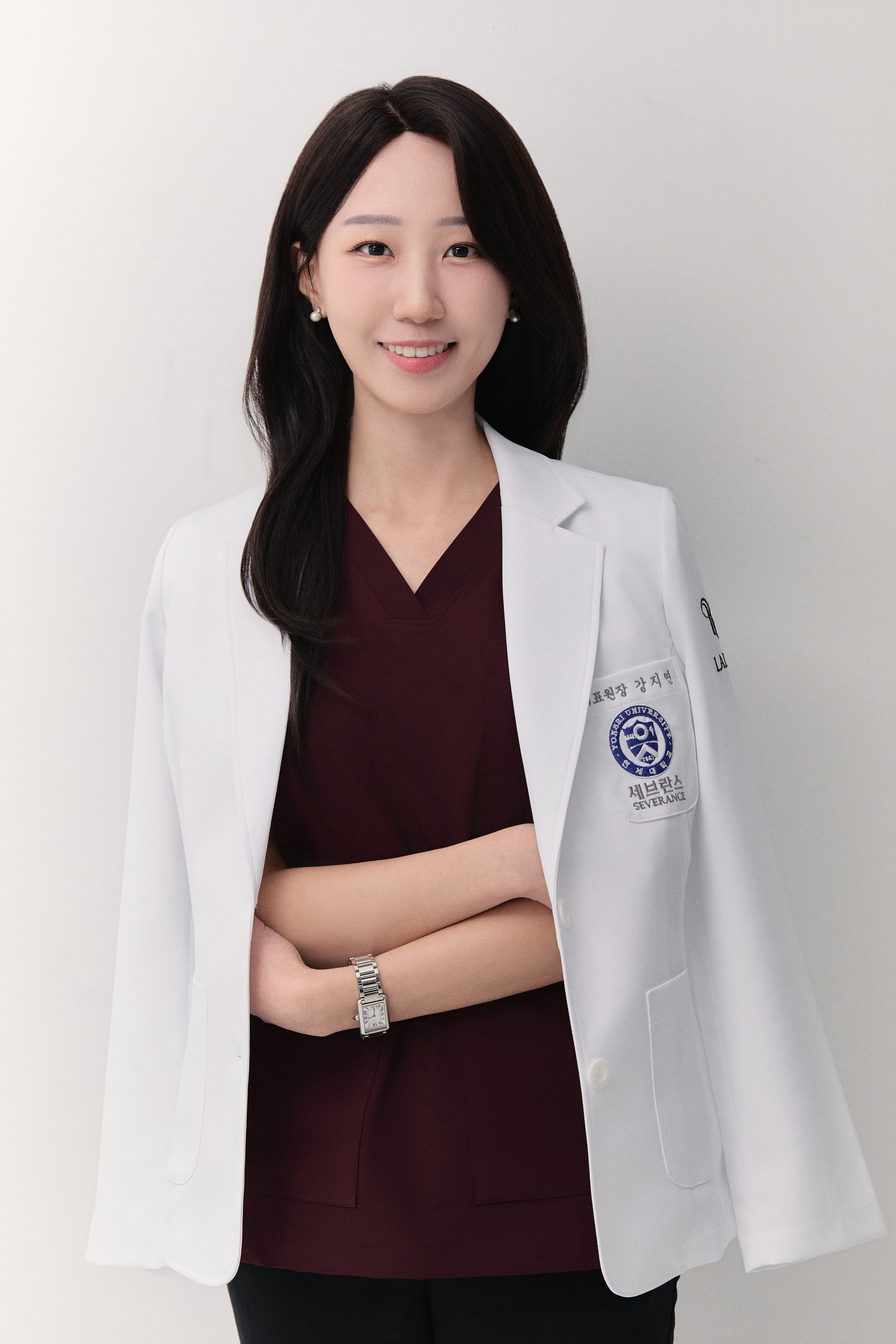
✓ Medically reviewed by Dr. Jiyoun Kang · Last updated: September 16, 2026 · Reading time: 7 min

If you've spent any time researching regenerative skincare this year, you've likely seen "exosome therapy" mentioned everywhere from TikTok to dermatology journals.
At Lalian Cheongdam Clinic in Cheongdam, Gangnam District, Seoul — a short walk from Apgujeong Rodeo Station — exosome therapy is one of the treatments most frequently asked about by international visitors, and also one of the most misunderstood. This guide explains what it actually is, what the evidence currently supports, and who tends to be a good candidate.
Quick Answer: Exosome therapy uses nanoscale, stem-cell-derived vesicles applied after micro-channeling to help signal skin repair and collagen activity. At Lalian Cheongdam Clinic, ASCE+ exosome sessions are typically delivered as a course over several weeks, with improvements in hydration and texture building gradually. Individual results may vary.
What Is Exosome Therapy, Exactly?
Exosomes are microscopic vesicles that cells naturally release to communicate with one another, carrying proteins, lipids, and genetic material that can influence how nearby cells behave. In aesthetic use, stem-cell-derived exosomes are applied to the skin — usually right after a micro-channeling step like Potenza or fine needling — so the vesicles can reach the dermis where they're thought to support fibroblast activity and repair signaling. At Lalian Cheongdam Clinic, this is offered as ASCE+ exosome skin repair therapy, one option within the clinic's broader skin booster and hydration program. A 2017 study on exosomes derived from human umbilical cord blood mesenchymal stem cells found they stimulated measurable rejuvenation markers in human skin tissue, and a 2020 study on MSC-derived exosomes and oxidative stress protection described a similar protective effect against oxidative stress-induced skin injury.
It's worth being direct about where the evidence stands: exosome therapy is not currently FDA-approved as a medical injection in the United States, and in Korea it is regulated as a cosmetic ingredient rather than a licensed drug or medical device. That doesn't make it unsafe when properly sourced and administered — it means the science is still maturing, and any clinic that promises guaranteed or dramatic results is overstating the evidence.
Who Is a Good Candidate?
Good candidates for exosome therapy:
Skin that looks dull, dehydrated, or textured despite a consistent skincare routine
Post-procedure recovery support after Potenza, laser, or other micro-channeling treatments
Early signs of fine lines or uneven tone where a gradual, low-downtime approach is preferred
Visitors combining a short Seoul trip with a lighter, surface-level treatment rather than deep structural work
Not ideal for:
Active skin infection, open wounds, or significant inflammatory conditions at the treatment site
Anyone expecting a single-session, dramatic transformation — exosome therapy works cumulatively
Pregnant or breastfeeding patients, pending an in-person medical assessment
Deep structural sagging that needs SMAS-level lifting rather than surface regeneration — this calls for a different treatment category entirely
Curious whether exosome therapy suits your skin? Schedule a 1:1 skin assessment with Dr. Jiyoun Kang →
What Does the Procedure Feel Like?
A typical session starts with cleansing and, if paired with micro-channeling, a topical numbing period before the channeling step. The exosome serum is then applied to the treated area, where it's absorbed through the fresh microchannels rather than injected as a separate step in most protocols. Most patients describe mild warmth or tightness afterward rather than pain, and downtime is minimal — light redness for a few hours is typical.
What Results Can You Expect — and When?
Because exosome therapy works by supporting the skin's own repair signaling rather than adding volume or delivering an energy-based shock, results build gradually rather than appearing immediately. (P) Most patients notice improved hydration and a calmer, more even tone within the first one to two weeks, with texture and tone improvements continuing to build over a course of sessions. A 2022 study on bovine colostrum-derived exosomes and aged skin repair similarly found progressive improvement in markers of skin repair over the treatment course rather than a single-session effect. Individual results may vary.
Factor | Detail |
Mechanism | Stem-cell-derived exosome vesicles supporting fibroblast/repair signaling |
Depth of action | Superficial to mid-dermis, typically via micro-channeling delivery |
Session duration | Approximately 30–45 minutes |
Results appear | Gradually, often noticeable within 1–2 weeks, building over a course |
Longevity | Maintained with periodic sessions; not a one-time permanent effect |
Ideal skin type | Dull, dehydrated, or textured skin; Fitzpatrick I–VI |
The Lalian Approach
At Lalian Cheongdam Clinic, exosome therapy is never delivered as a stand-alone menu item without assessment. Under the clinic's 1:1 Single Responsibility System, Dr. Jiyoun Kang personally evaluates whether exosome therapy, Rejuran Healer, or a combination protocol best fits your skin goals and travel timeline before any treatment plan is confirmed — the trade-offs between the two are covered in more depth in our Exosome vs Rejuran comparison guide. (P) For international visitors, this also means the same physician who assesses your skin performs and oversees every session — not a rotating technician.
Frequently Asked Questions
Is exosome therapy the same as PRP?
No. PRP concentrates your own blood platelets, while exosome therapy uses lab-processed vesicles derived from stem cell cultures — they're related regenerative concepts but different products with different sourcing.
Is exosome therapy FDA-approved?
Not as a medical injection in the United States as of 2026. In Korea, exosome products are currently regulated as cosmetic ingredients rather than approved drugs, so it's worth asking any clinic about their specific product's sourcing and regulatory status.
How long do exosome therapy results last?
Results build over a course of sessions rather than a single visit, and most patients maintain improvements with periodic follow-up sessions rather than expecting a one-time permanent change.
Can exosome therapy be combined with Rejuran or Ultherapy?
Yes, it's commonly layered after deeper treatments like Ultherapy or paired with Rejuran, though the sequencing and spacing should be planned by your physician based on your specific protocol.
How many sessions do I need?
This varies by skin condition and goals, and is determined during your in-person consultation rather than a fixed default.
Ready to Book?
If you're planning a Seoul trip and want to know whether exosome therapy fits your skin and your itinerary, the next step is a private consultation — not a generic protocol.
About Dr. Jiyoun Kang: Dr. Jiyoun Kang is the Representative Director of Lalian Cheongdam Clinic and a Family Medicine specialist trained at Sinchon Severance Hospital, Yonsei University Health System. She serves as Clinical Professor at Yongin Severance Hospital (Yonsei University Health System) and Preliminary Director of the Korea Academy of Obesity & Aesthetic Treatment. All consultations and treatments at Lalian follow a 1:1 Single Responsibility System — Dr. Kang personally manages every stage from anatomical analysis to the final procedure. More about Dr. Kang →
📍 2F, Dosan-daero 59-gil, 9, Gangnam District, Seoul, South Korea (Cheongdam)
📞 +82-2-517-3335
📱 Line (Global): https://line.me/R/ti/p/@066escta
📸 Instagram: https://www.instagram.com/lalianclinic.global/
🌐 Website: https://www.lalian-clinic.com/
International visitors welcome. English, Chinese, and Japanese consultation supported.
Medical Disclaimer: All procedures described are medical treatments. Individual results may vary based on skin type and condition. A private consultation with Dr. Jiyoun Kang is required to determine the most suitable protocol for your unique needs. All information provided is for educational purposes and does not replace professional medical advice.


The article provides a balanced overview of exosome therapy, explaining how these microscopic vesicles may support skin repair and collagen activity. I also appreciate the emphasis on gradual results and individualized assessment. Since research is still developing, understanding product sourcing, regulation, safety, and realistic expectations remains important before considering treatment options.