
Glass Skin in Seoul: The Layered Treatment Protocol Behind Poreless, Luminous Skin at Lalian Cheongdam Clinic
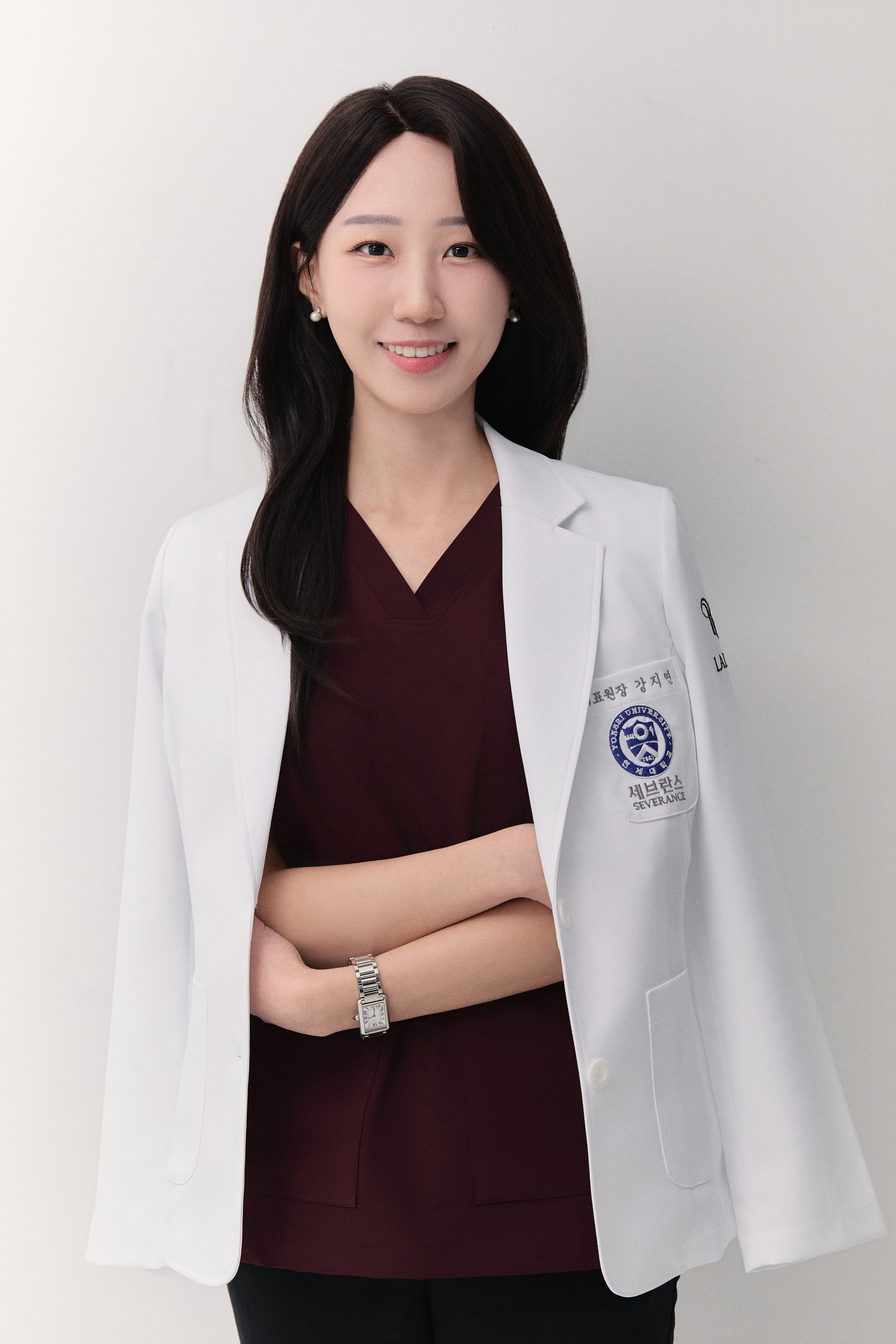
✓ Medically reviewed by Dr. Jiyoun Kang · Last updated: June 10, 2026 · Reading time: 8 min
"Glass skin" — the smooth, translucent, lit-from-within complexion that has come to define modern Korean beauty — is now one of the most searched skin goals among international visitors planning a trip to Seoul.
At Lalian Cheongdam Clinic, a private aesthetic dermatology practice in the Cheongdam neighborhood of Seoul's Gangnam District, South Korea, near Apgujeong Rodeo Station, it is also one of the most misunderstood requests we receive.
The part most single-treatment marketing leaves out is simple: glass skin is a layered result, and it takes a layered plan to reach it. This guide explains how Dr. Jiyoun Kang builds that plan — what each treatment does, why the sequence matters, and who it is, and isn't, right for.
Quick Answer: Glass skin is not produced by any single device or injection — it is the visible sum of four things: refined texture, deep hydration, even tone, and a healthy light-reflecting barrier. At Lalian Cheongdam Clinic in Seoul, Dr. Jiyoun Kang sequences Potenza RF Microneedling to refine pores and texture, Rejuran Healer to rebuild hydration and resilience from within, BBL HERO to even out tone and clarity, and a hyaluronic-acid skin booster such as Belotero Revive to finish with dewy luminosity. The combined effect typically builds over 3 to 6 months.
Why Glass Skin Is Never a Single-Treatment Result
Glass skin is a multi-layer outcome, which means no single treatment can deliver it alone.
A laser that evens tone does nothing for enlarged pores. A skin booster that floods the dermis with hydration does little for surface pigment. A microneedling device that remodels texture cannot, on its own, create the dewy reflectivity people associate with the look.
Each device or injectable is excellent at one job and silent on the others. When a clinic promises glass skin from a single treatment, what they are really selling is one slice of a four-part result. The reason layered protocols exist is that layered problems require layered solutions.
What Does "Glass Skin" Actually Mean, Beyond the Trend?
Glass skin describes a complexion that looks clear, smooth, evenly toned, and luminous — as if light passes cleanly through it.
Clinically, that translates into four measurable qualities: pores that appear refined rather than prominent, skin that is deeply hydrated rather than tight or flaky, tone that is even rather than blotchy or red, and a barrier healthy enough to reflect light softly instead of looking dull.
Understanding it this way matters, because it tells you exactly which skin functions a treatment plan has to address — and reveals why one device can never be the whole answer.
How Potenza RF Microneedling Refines Texture and Pores
Potenza RF Microneedling is a radiofrequency microneedling system that targets the dermis to remodel texture, soften the look of enlarged pores, and improve acne scarring.
It works by delivering controlled micro-injuries with insulated needles while emitting radiofrequency energy at a precise depth, which prompts the skin to rebuild collagen as it heals. The device received FDA clearance for RF microneedling procedures in 2021.
In a glass-skin plan, Potenza addresses the structural layer of the look — the smoothness and pore refinement that no topical or surface treatment can reach. You can read more in our Potenza microneedling guide.
How Rejuran Healer Rebuilds Hydration and Resilience From Within
Rejuran Healer is a polynucleotide (PN) skin booster, derived from purified salmon DNA, that improves skin quality by stimulating fibroblasts and supporting the skin's own repair processes.
Rather than adding volume, it acts as a regenerative scaffold in the papillary dermis. Peer-reviewed research on polynucleotide skin regeneration has shown that PN supports fibroblast proliferation, and a 2025 multicenter study found that polynucleotide injection improves skin hydration and barrier function through a three-dimensional structure that binds water while stimulating natural hyaluronic acid production.
This is the "from within" half of glass skin — the bouncy, resilient, hydrated quality that surface treatments cannot manufacture. See our Rejuran Healer guide for the full picture.
Where BBL HERO and a Skin Booster Complete the Picture
The final two layers of glass skin are tone and surface glow, and these are handled by BBL HERO and a hyaluronic-acid skin booster.
BBL HERO is a broadband light treatment that targets pigmentation, redness, and uneven tone — the clarity component of the look — and is FDA-cleared for pigmented and vascular lesions. Details are in our BBL HERO complete guide.
A low-concentration hyaluronic-acid booster such as Belotero Revive then draws water into the superficial skin, creating the dewy, light-reflecting finish that makes the result read as "glass."
Why Layering These Treatments Works Better Than Any One Alone
Layering works because each treatment addresses a different depth of skin, and glass skin is a problem distributed across all of them.
This is the core of Lalian's Layered Strategy — matching a specific treatment to the specific anatomical layer where each visible quality originates, rather than asking one device to do everything. The table below shows how the pieces fit together.
Skin Layer | Potenza RF Microneedling | Rejuran Healer | BBL HERO | HA Booster (Belotero Revive) |
Epidermis (surface) | Energy passes through | Supports barrier recovery | Clears pigment & redness | Draws water up for dewy reflectivity |
Papillary dermis | Triggers controlled remodeling | PN scaffold stimulates fibroblasts | — | Binds water, plumps fine texture |
Reticular dermis | RF heat rebuilds collagen | Regenerative support | — | — |
Visible quality | Smoother texture, refined pores | Hydrated, resilient skin | Even, clear tone | Luminous glass-like glow |
The combined effect is what no single column achieves: structure, hydration, clarity, and glow arriving together rather than one at a time.
The Lalian Glass Skin Protocol: Sequence and Timing
Sequence matters as much as the treatments themselves, because the skin needs the right order and spacing to respond well.
The plan below is a representative example — Dr. Jiyoun Kang adjusts the order, number of sessions, and spacing for each person after a 1:1 assessment. It is not a fixed package.
Example protocol sequence:
Month 0: Consultation + BBL HERO — low-downtime tone correction sets a clear canvas first
Month 0 (2–3 weeks later): Potenza RF Microneedling session 1 — texture and pore refinement, with a short healing window
Month 1: Rejuran Healer session 1 — begun after Potenza has healed, to rebuild hydration
Month 2: Rejuran Healer session 2 — the PN series builds cumulatively
Month 3: Belotero Revive booster + final Rejuran session — the dewy-glow finish
Month 3–6: Collagen remodeling matures and the glass-skin effect peaks
Month 6–12: Maintenance — seasonal BBL, periodic booster top-ups, a single Potenza refresh
Who Is a Good Candidate — and Who Isn't?
A good candidate is someone with generally healthy skin whose concerns span more than one category — texture and dullness, or pores and uneven tone together.
The protocol suits people who want a refined, natural improvement in skin quality rather than a dramatic lifting or contouring change, and who can space sessions across a few months or visits.
Combination protocols are not right for everyone. This plan is generally not appropriate during active inflammatory acne or rosacea flares, active skin infection, pregnancy or breastfeeding, or for anyone expecting permanently poreless skin — pores can be refined in appearance but never eliminated. Individual results may vary, and a consultation is required to confirm suitability.
What Results Can You Realistically Expect?
Realistic expectations are part of the result, because glass skin builds gradually rather than appearing overnight.
Early changes — brighter tone after BBL, smoother surface after the first Potenza session — can appear within the first few weeks. The deeper, more characteristic glass-skin quality, driven by collagen remodeling and the Rejuran series, typically matures over 3 to 6 months.
The effect is long-lasting rather than permanent, and maintenance keeps it consistent. For visitors trying to fit treatments into a single trip, our guide on how to stack treatments in one Seoul trip explains sensible spacing.
How Dr. Jiyoun Kang Designs Your Protocol
Every glass skin protocol at Lalian begins with a 1:1 anatomical assessment, not a menu.
Under Lalian's 1:1 Single Responsibility System, Dr. Jiyoun Kang personally evaluates your skin's texture, hydration, tone, and barrier condition, then decides which of the four components you actually need — some patients need all four, others only two or three.
This matters because a combination plan should subtract treatments you don't need as readily as it adds the ones you do. Multilingual coordinators support English, Chinese, and Japanese consultations throughout.
Frequently Asked Questions
Is glass skin permanent? No. Glass skin is a long-lasting but not permanent result. It is maintained with periodic sessions, and individual results vary depending on skin type, age, and lifestyle.
How long does the glass skin protocol take to show results? Early brightening and smoothness can appear within the first few weeks, while the fuller effect typically builds over 3 to 6 months as collagen remodels and the regenerative series takes effect.
Can I do all the treatments on the same day? Usually not. The treatments are sequenced and spaced so the skin can heal and respond between sessions; combining everything in one day can compromise both safety and results. Dr. Jiyoun Kang determines safe spacing during consultation.
Does the glass skin protocol hurt? Comfort varies by treatment and by person. Numbing and cooling are used where appropriate, and most patients describe the sessions as manageable rather than severe, though sensation is individual.
How much does a glass skin protocol cost in Seoul? Because the plan is tailored — the number and type of treatments differ per person — pricing is confirmed only after a consultation. We do not quote combination pricing in advance of assessing your skin.
Ready to Begin Your Glass Skin Journey?
About Dr. Jiyoun Kang: Dr. Jiyoun Kang is the Representative Director of Lalian Cheongdam Clinic and a Family Medicine specialist trained at Sinchon Severance Hospital, Yonsei University Health System. She serves as Clinical Professor at Yongin Severance Hospital (Yonsei University Health System) and Preliminary Director of the Korea Academy of Obesity & Aesthetic Treatment. All consultations and treatments at Lalian follow a 1:1 Single Responsibility System — Dr. Kang personally manages every stage from anatomical analysis to the final procedure. More about Dr. Kang →
If you are planning a Seoul trip around your skin, a glass skin protocol begins with one conversation about what your skin actually needs.
📍 2F, Dosan-daero 59-gil, 9, Gangnam District, Seoul, South Korea (Cheongdam)
📞 +82-2-517-3335
📸 Instagram: https://www.instagram.com/lalianclinic.global/
💬 WhatsApp: https://wa.me/message/3B2J74TNH5AKM1
📱 Line (Global): https://line.me/R/ti/p/@066escta
📱 Line (Taiwan): https://lin.ee/xcFKUfp
🌐 Website: https://www.lalian-clinic.com/
International visitors welcome. English, Chinese, and Japanese consultation supported.
Medical Disclaimer: All procedures described are medical treatments. Individual results may vary based on skin type and condition. A private consultation with Dr. Jiyoun Kang is required to determine the most suitable protocol for your unique needs. All information provided is for educational purposes and does not replace professional medical advice.


Comments