
Juvederm vs Restylane in Seoul: Which Hyaluronic Acid Filler Is Right for You at Lalian Cheongdam Clinic?
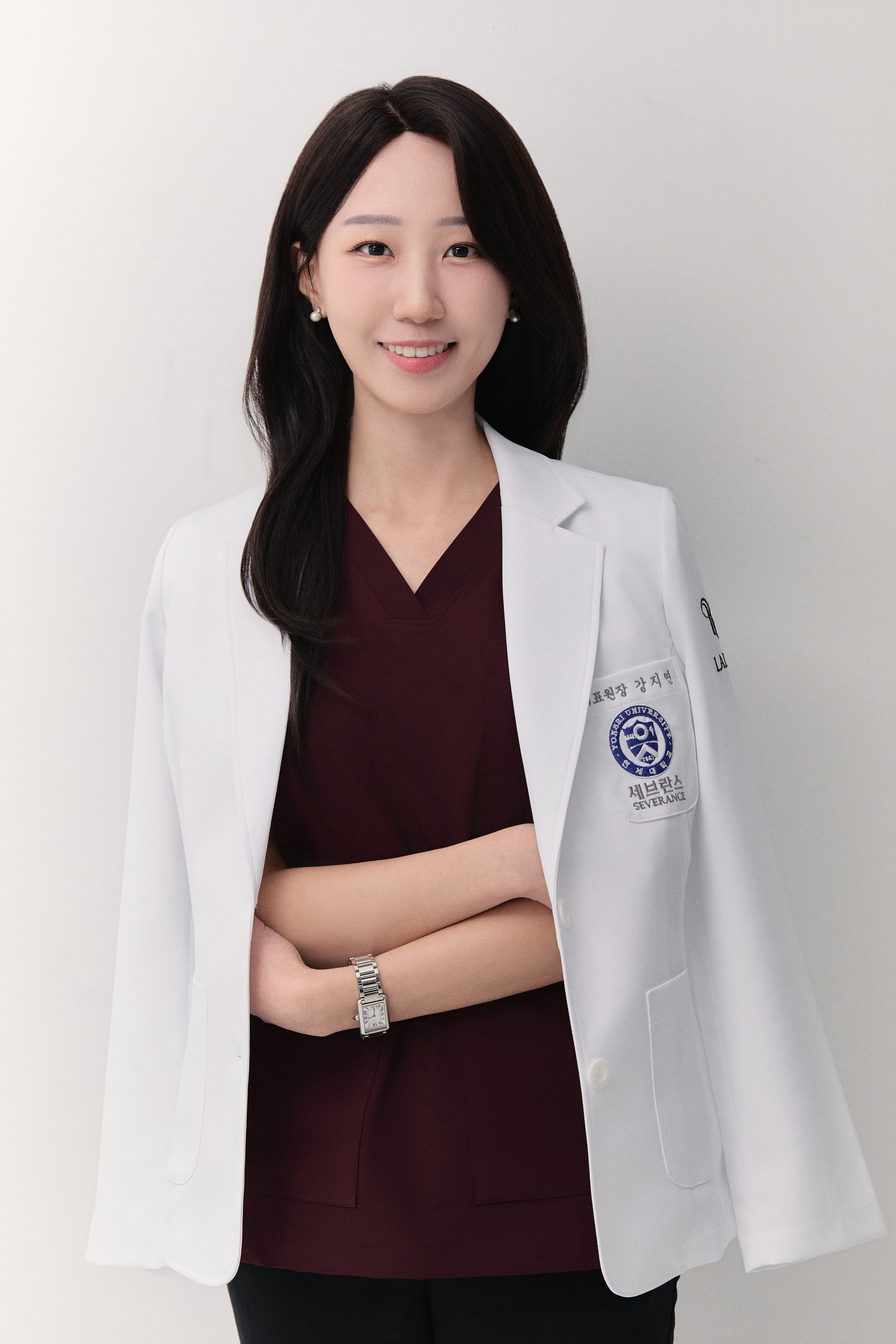

✓ Medically reviewed by Dr. Jiyoun Kang · Last updated: June 24, 2026 · Reading time: 7 min
If you have been researching dermal fillers before a trip to Korea, two hyaluronic acid (HA) filler families come up again and again: Juvederm and Restylane. At Lalian Cheongdam Clinic, a private aesthetic dermatology practice in the Cheongdam neighborhood of Seoul's Gangnam District, South Korea — a short walk from Apgujeong Rodeo Station — both are core tools for restoring volume and refining facial contours.
The honest answer to "which is better" is that neither is universally superior. They are built on different cross-linking technologies, behave differently in the skin, and suit different goals and facial zones. This guide breaks down the real differences so you can walk into your consultation already knowing the right questions to ask.
Quick Answer: If you want soft, seamless volume or natural lip enhancement, a Juvederm gel is often the better fit. If you want firmer structural support and projection — nose bridge, chin, or cheekbone definition — a Restylane NASHA gel tends to hold its shape more precisely. Both are reversible hyaluronic acid fillers, and individual results may vary.
What Is Juvederm?
Juvederm is a family of hyaluronic acid dermal fillers manufactured by Allergan, now part of AbbVie.
Hyaluronic acid is a sugar molecule that occurs naturally in the skin and binds water to create volume and hydration; Juvederm delivers it as a cross-linked gel that restores lost volume and smooths folds. Most current Juvederm products use Vycross cross-linking technology, which blends short and long HA chains into a smooth, cohesive gel.
That cohesive texture gives Juvederm a soft, even spread and a natural feel under the skin — one reason it is frequently chosen for lips, cheeks, and midface volume. A peer-reviewed study on volumizing hyaluronic acid filler for midface volume deficit supported the use of this category for restoring cheek volume with high patient satisfaction. Results are visible immediately and typically last from several months to well over a year, depending on the product and the area treated.
Curious whether a Juvederm or Restylane gel suits your face? Book a private consultation with Dr. Jiyoun Kang →
What Is Restylane?
Restylane is a family of hyaluronic acid fillers manufactured by Galderma, and one of the longest-established HA lines in the world, first approved by the FDA in 2003.
Like Juvederm, it restores volume using cross-linked HA — but it is built on two distinct technologies that give the range its character. NASHA gels, such as Restylane Lyft, are firmer and more structured, which makes them well suited to projection and definition: building a nose bridge, sharpening a chin, or lifting a cheekbone.
OBT gels, such as Restylane Defyne, Refyne, and Kysse, are more flexible and designed to move naturally with facial expression, which is why they are often chosen for dynamic areas like nasolabial folds and lips. An early randomized multicenter trial of Restylane for nasolabial folds helped establish its efficacy for this very common concern.
Juvederm vs Restylane: What's the Real Difference?
The core difference comes down to how each gel behaves: Juvederm's Vycross gels tend to be smoother and more cohesive, while Restylane's NASHA gels tend to be firmer and hold their shape with more precision.
In practice, that means Juvederm often excels at soft, seamless volume, and Restylane NASHA often excels at structural support — though the two ranges overlap, and the specific product matters far more than the brand name on the box. Here is how they compare at a glance:
Factor | Juvederm | Restylane |
Manufacturer | Allergan / AbbVie | Galderma |
Core technology | Vycross (smooth, cohesive gel) | NASHA (firm, structured) + OBT (flexible) |
Texture & feel | Soft, even spread | Firmer support (NASHA); flexible (OBT) |
Often chosen for | Lips, cheeks, midface volume | Nose, chin, cheekbone projection; dynamic lines |
Result timeline | Immediate; settles over 1–2 weeks | Immediate; settles over 1–2 weeks |
Longevity | ~6–18 months by product & area | ~6–18 months by product & area |
Downtime | Minimal (possible swelling/bruising) | Minimal (possible swelling/bruising) |
Reversible? | Yes — dissolvable with hyaluronidase | Yes — dissolvable with hyaluronidase |
So Which Filler Is Right for You?
The right choice depends less on brand loyalty and more on your specific concern, the facial zone, and the look you want.
Here is a simple way to think about it:
If you want soft, natural lip enhancement or smooth midface volume → a Juvederm gel often integrates seamlessly for that result
If you want firm projection and definition (nose bridge, chin, cheekbone) → a Restylane NASHA gel tends to hold structure more precisely
If your main concern is movement-prone areas like nasolabial folds → a flexible Restylane OBT gel is designed to move naturally with your expressions
If your concern is gradual collagen loss and overall volume rather than targeted shaping → neither HA filler may be the ideal starting point; collagen biostimulators like Sculptra and Radiesse may suit you better
If you are unsure → this is exactly what a 1:1 consultation is designed to resolve
How Does Lalian Decide Which Filler to Use?
At Lalian Cheongdam Clinic, filler selection is never made from a brochure.
Dr. Jiyoun Kang, a Family Medicine specialist trained at Sinchon Severance Hospital, Yonsei University Health System, personally assesses your facial anatomy — bone structure, soft-tissue volume, skin thickness, and the way your face moves — before recommending a product, zone, and quantity. Because both Juvederm and Restylane are reversible, there is a built-in safety margin: if an outcome needs refining, HA filler can be dissolved with hyaluronidase.
Filler is a medical procedure, and the single most important safety factor is the injector's anatomical knowledge. A widely cited review of the world literature on avoiding blindness from fillers underscores why injector skill and vascular awareness matter far more than the brand in the syringe. International patients can plan their visit with English, Chinese, or Japanese consultation support, and Lalian uses authentic, FDA/KFDA-cleared products with verification.
Frequently Asked Questions
Which is better, Juvederm or Restylane?
Neither is universally better. Juvederm's Vycross gels tend to give soft, seamless volume, while Restylane's NASHA gels tend to give firmer structure and projection. The right choice depends on the treatment area and your goal, which is determined during consultation.
How long do hyaluronic acid fillers last?
Most HA fillers last roughly 6 to 18 months, depending on the specific product, the area treated, and your individual metabolism. High-movement areas such as the lips often metabolize filler faster than more static areas. Individual results may vary.
Are dermal fillers reversible?
Yes. Both Juvederm and Restylane are hyaluronic acid fillers, which can be dissolved with an enzyme called hyaluronidase if an adjustment is needed. This reversibility is one of the key safety advantages of HA filler over more permanent options.
Does getting filler hurt?
Most modern fillers contain lidocaine for comfort, and topical numbing is applied beforehand. Most patients describe the sensation as a brief pinch and some pressure rather than significant pain.
Can I fly after getting filler in Seoul?
Most patients can fly the same day or the next day. Because mild swelling or bruising can occur, many international visitors schedule filler earlier in their trip; your specific timing is confirmed during consultation.
Planning Filler Treatment During Your Seoul Trip?
Choosing between Juvederm and Restylane is ultimately a clinical decision, not a shopping one.
If you are mapping out skin treatments for your visit, it also helps to think about sequencing — our guide to planning multiple treatments in one Seoul trip covers how to time injectables alongside other procedures so nothing competes for healing.
About Dr. Jiyoun Kang: Dr. Jiyoun Kang is the Representative Director of Lalian Cheongdam Clinic and a Family Medicine specialist trained at Sinchon Severance Hospital, Yonsei University Health System. She serves as Clinical Professor at Yongin Severance Hospital (Yonsei University Health System) and Preliminary Director of the Korea Academy of Obesity & Aesthetic Treatment. All consultations and treatments at Lalian follow a 1:1 Single Responsibility System — Dr. Kang personally manages every stage from anatomical analysis to the final procedure. More about Dr. Jiyoun Kang →
📍 2F, Dosan-daero 59-gil, 9, Gangnam District, Seoul, South Korea (Cheongdam)
📞 +82-2-517-3335💬 WhatsApp · 📸 Instagram @lalianclinic.global · 📱 LINE (Global)
International visitors welcome. English, Chinese, and Japanese consultation supported.
Medical Disclaimer: All procedures described are medical treatments. Individual results may vary based on skin type and condition. A private consultation with Dr. Jiyoun Kang is required to determine the most suitable protocol for your unique needs. All information provided is for educational purposes and does not replace professional medical advice.


Comments