
PRP Therapy in Seoul: What It Does, Who It's For, and What to Expect at Lalian Cheongdam Clinic
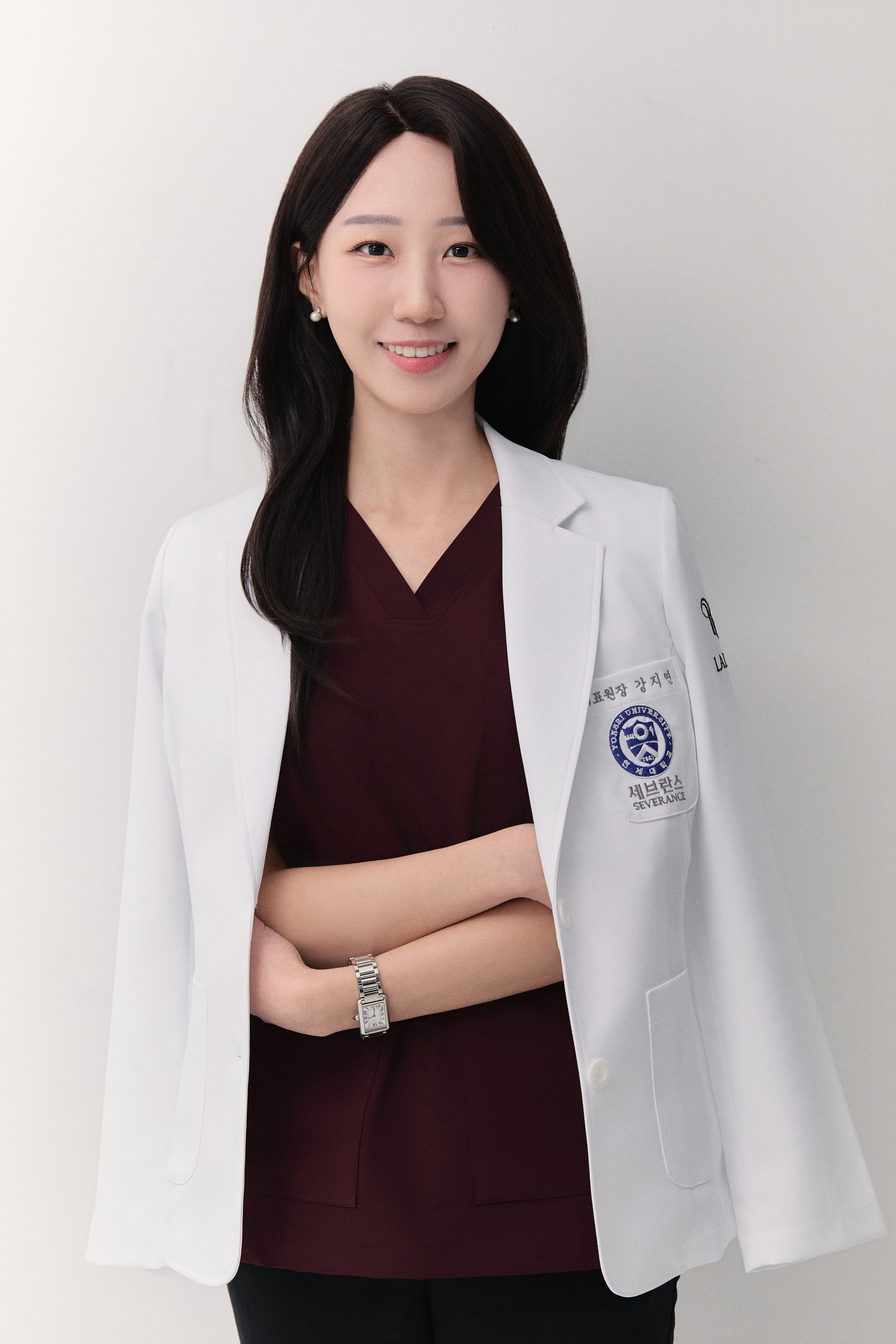
Medically reviewed by Dr. Jiyoun Kang · Last updated: June 3, 2026 · Reading time: 7 min

If you have been researching regenerative skin treatments before a trip to Korea, PRP therapy — platelet-rich plasma — has almost certainly come up. At Lalian Cheongdam Clinic, a private aesthetic dermatology practice in the Cheongdam neighborhood of Gangnam District, Seoul, South Korea, near Apgujeong Rodeo Station, PRP is one of the regenerative treatments most often chosen by international patients who want to improve skin quality from within rather than mask it from the surface.
Here is an honest look at what PRP therapy does, who it genuinely suits, what a session feels like, and what kind of results are realistic.
Quick Answer: PRP therapy uses a small sample of your own blood, concentrated in a centrifuge to isolate platelets and growth factors, then reintroduced into the skin to support collagen production and tissue repair. At Lalian Cheongdam Clinic in Seoul, a session takes 30–60 minutes and results build gradually over several weeks across a short series. Individual results may vary.
What Is PRP Therapy, Exactly?
PRP — platelet-rich plasma — is a regenerative treatment that uses growth factors concentrated from your own blood to stimulate the skin's natural repair processes. A small blood sample is drawn and spun in a centrifuge, which separates the platelet-rich plasma from red blood cells. This concentrated plasma is then delivered back into targeted areas of the face, neck, décolletage, or scalp using fine needles or device-assisted application.
Because PRP is autologous — derived entirely from your own body — it introduces no synthetic filler or foreign material, which is part of why it appeals to patients who prefer a biologically based approach to skin aging. The growth factors in platelets are the same molecules the body uses for wound healing, and PRP simply concentrates and redirects them toward skin quality.
A systematic review of PRP applications in aesthetic dermatology reported consistent improvements in collagen density and overall skin appearance across the studies reviewed.
A systematic review of PRP applications in aesthetic dermatology reported consistent improvements in collagen density and overall skin appearance across the studies reviewed.
Who Is a Good Candidate for PRP at Lalian?
PRP works best for patients addressing early signs of aging and overall skin quality rather than deep structural laxity, which is why we always confirm suitability in a consultation first. It is a quality-focused treatment, not a lifting or volumizing one.
Good candidates for PRP therapy:
Patients with fine lines, dull tone, or crepey skin on the face, neck, or décolletage
Patients in their 30s to 50s wanting gradual, natural-looking skin improvement
Patients with early scalp or hair-thinning concerns where growth factors may help
Patients who prefer a biologically based, autologous option over synthetic injectables
International visitors who can return for a short series during or across Seoul trips
Not ideal for:
Patients seeking immediate, dramatic results from a single session
Patients whose main concern is significant sagging (energy-based lifting suits this better)
Patients with certain blood disorders or active skin infection at the treatment site
Patients unable to commit to the recommended multi-session schedule
Curious whether PRP suits your skin type and goals? Book a private consultation with Dr. Jiyoun Kang →
What Does a PRP Session Feel Like?
A PRP session at Lalian typically takes 30 to 60 minutes from the blood draw through completion. It begins with a small blood sample, much like a routine blood test, followed by a short centrifuge process while topical anesthesia is applied to the treatment area.
Once the skin is numbed, the prepared plasma is delivered through fine needles or microneedling-assisted application, which most patients describe as mild pricking with limited discomfort. Immediately afterward, the treated skin may look slightly red or show minor pinpoint marks, which usually settle within a day or two. Most patients resume light daily activity the same day and makeup after about 24 hours.
What Results Can You Expect — and When?
PRP is a gradual, cumulative treatment rather than a one-session transformation. Most patients begin to notice improvements in skin texture, tone, and hydration within 3 to 6 weeks, with effects building as the recommended series progresses. A 2024 review of PRP for facial skin rejuvenation noted measurable enhancements in pore appearance, texture, and collagen density after one to three sessions.
Because results depend on your own biology, outcomes vary with age, baseline skin condition, and how consistently you complete the series and follow aftercare. PRP is best understood as ongoing skin investment, with periodic maintenance recommended to sustain results. Individual results may vary.
Factor | Detail |
Mechanism | Autologous growth factors from platelet-rich plasma |
Areas treated | Face, neck, décolletage, scalp |
Session duration | 30–60 minutes including preparation |
Results appear | Gradually over 3–6 weeks |
Recommended series | Typically 3 sessions, 4–6 weeks apart |
Longevity | Cumulative; periodic maintenance advised |
Ideal candidate | Early aging, dull or crepey skin, hair thinning |
The Lalian Approach: Why a Family Medicine Foundation Matters
At Lalian Cheongdam Clinic, PRP follows the 1:1 Single Responsibility System — Dr. Jiyoun Kang personally manages every stage, from the consultation and blood draw through the final application. This matters for regenerative treatments specifically, because preparation quality, injection depth, and candidate selection all influence how well growth factors perform.
Dr. Jiyoun Kang is a Family Medicine specialist trained at Sinchon Severance Hospital, Yonsei University Health System, which gives Lalian a grounded position in regenerative and biologically based care rather than device-led aesthetics alone. As a 2025 review on regenerative medicine and cosmetic dermatology describes, PRP sits among the regenerative approaches with the most established clinical evidence, alongside newer options like exosomes. At Lalian, PRP is often discussed as part of a wider plan — you can read how it compares with other regenerative skin boosters like Exosome and Rejuran — and is offered within Lalian's regenerative and anti-aging program.
Frequently Asked Questions
How many PRP sessions do I need to see results?
Most patients complete a series of about 3 sessions spaced 4 to 6 weeks apart, as results build cumulatively rather than appearing after a single visit. Dr. Jiyoun Kang confirms the right number during your consultation based on your skin condition and goals.
Is PRP safe because it uses my own blood?
PRP is autologous, meaning it uses only your own blood-derived components, which removes the risk of allergic reaction to foreign material. As with any injection, minor temporary effects such as redness or bruising can occur, and a consultation is required to confirm it is appropriate for you.
Is there downtime after PRP at Lalian?
Visible downtime is usually minimal — mild redness or small pinpoint marks that typically settle within 24 to 48 hours. Most international visitors can continue sightseeing the same day, though it is wise to schedule sessions a couple of days before any major event.
Can PRP be combined with other treatments?
Yes. PRP is frequently combined with microneedling or paired with energy-based and skin-booster treatments for patients whose concerns span multiple skin layers. Dr. Jiyoun Kang determines whether and how to combine treatments during your consultation.
Does PRP help with hair thinning?
PRP is used to support areas of early hair thinning where improved circulation and growth factors may help, and it can be applied to the scalp as well as the face. Suitability depends on the type and stage of hair concern, which is assessed in person.
Ready to Book?
PRP therapy is one of the quieter, more patient approaches to skin aging — a way to support your skin's own repair processes rather than override them. If you are planning a Seoul trip and want to understand whether PRP fits your skin and your timeline, a private consultation is the right first step.
About Dr. Jiyoun Kang: Dr. Jiyoun Kang is the Representative Director of Lalian Cheongdam Clinic and a Family Medicine specialist trained at Sinchon Severance Hospital, Yonsei University Health System. She serves as Clinical Professor at Yongin Severance Hospital (Yonsei University Health System) and Preliminary Director of the Korea Academy of Obesity & Aesthetic Treatment. All consultations and treatments at Lalian follow a 1:1 Single Responsibility System — Dr. Kang personally manages every stage from analysis to the final procedure. More about Dr. Kang →
📍 2F, Dosan-daero 59-gil, 9, Gangnam District, Seoul, South Korea (Cheongdam)
📞 +82-2-517-3335
💬 WhatsApp: https://wa.me/message/3B2J74TNH5AKM1
📸 Instagram: https://www.instagram.com/lalianclinic.global/
📱 Line (Global): https://line.me/R/ti/p/@066escta
🌐 Website: https://www.lalian-clinic.com/
International visitors welcome. English, Chinese, and Japanese consultation supported.
Medical Disclaimer: All procedures described are medical treatments. Individual results may vary based on skin type and condition. A private consultation with Dr. Jiyoun Kang is required to determine the most suitable protocol for your unique needs. All information provided is for educational purposes and does not replace professional medical advice.
Comments