
Sculptra vs Radiesse vs Juvelook in Seoul: Which Collagen Biostimulator Is Right for You at Lalian Cheongdam Clinic
Updated: Jun 28

If you have been researching long-lasting, natural-looking options for collagen loss in Seoul, three names keep coming up: Sculptra (PLLA), Radiesse (CaHA), and Juvelook (PDLLA + HA). All three are collagen biostimulators, all three are widely used in Gangnam dermatology clinics, and all three are often recommended to international clients planning a skin treatment trip to Korea. But they work through different mechanisms, produce different types of results, and suit very different skin concerns. At Lalian Cheongdam Clinic in Cheongdam, Gangnam, Seoul, Dr. Jiyoun Kang regularly helps clients understand which one is actually right for their skin — not which one is most popular on social media. This guide breaks down the real differences.
Sculptra (PLLA) rebuilds structural collagen gradually over 3 to 6 months with results lasting 24 to 36 months. Radiesse (CaHA) provides immediate lift plus collagen stimulation for 12 to 18 months. Juvelook (PDLLA + HA) gives instant hydration with gradual collagen refinement over 6 to 12 months. At Lalian Cheongdam Clinic in Gangnam, Seoul, Dr. Jiyoun Kang matches each patient to the right option through consultation — individual results may vary.
How Each Biostimulator Actually Works
A collagen biostimulator is an injectable that prompts your own fibroblasts to produce new collagen, rather than physically filling space the way hyaluronic acid fillers do. All three products in this comparison fall into this category, but they use distinctly different materials.
Sculptra contains microparticles of poly-L-lactic acid (PLLA), a biodegradable synthetic polymer. After injection into the deep dermis or subcutaneous plane, macrophages gradually break down the PLLA particles, which activates fibroblasts to synthesize new type I collagen over several months. Sculptra is FDA-approved for nasolabial fold correction and, as of 2023, for fine lines and wrinkles in the cheek region — you can review the official approval on the FDA Sculptra device page.
Radiesse contains calcium hydroxylapatite (CaHA) microspheres suspended in a gel carrier. Unlike Sculptra, Radiesse gives immediate volume on injection because the gel carrier occupies space — and then the CaHA microspheres act as a scaffold for new collagen formation over the following weeks. A PubMed-indexed overview of CaHA biostimulation in the injectable calcium hydroxylapatite clinical review confirms this dual-action mechanism. Radiesse was originally FDA-approved in 2006 and is manufactured by Merz Aesthetics.
Juvelook is a hybrid product from Korean manufacturer VAIM Inc., combining poly-D,L-lactic acid (PDLLA) microspheres with non-crosslinked hyaluronic acid. The HA provides immediate hydration and subtle plumping, while the PDLLA particles stimulate collagen over weeks. A peer-reviewed PDLLA Application in Dermatology review (PubMed Central) notes that PDLLA's porous spherical structure is designed to minimize nodule risk compared to earlier-generation PLA products. Juvelook is KFDA-approved in Korea and widely used across Asia.
Side-by-Side Comparison Table
The three products differ meaningfully across mechanism, onset, longevity, and ideal use case. The table below is the version Dr. Kang uses as a consultation framework at Lalian.
Factor | Sculptra (PLLA) | Radiesse (CaHA) | Juvelook (PDLLA + HA) |
Active ingredient | Poly-L-lactic acid | Calcium hydroxylapatite microspheres | Poly-D,L-lactic acid + hyaluronic acid |
Manufacturer | Galderma | Merz Aesthetics | VAIM Inc. (Korea) |
Regulatory status | U.S. FDA approved (2004, expanded 2023); KFDA approved | U.S. FDA approved (2006); KFDA approved | KFDA approved |
Immediate volume? | No (water dissipates in 24–72 hrs) | Yes (gel carrier gives instant lift) | Partial (HA gives instant hydration/glow) |
Collagen onset | 6–8 weeks, peaks at 3–6 months | 4–6 weeks, peaks at 2–3 months | 4–12 weeks, peaks at 8–12 weeks |
Typical longevity | 24–36 months | 12–18 months | 6–12 months |
Typical sessions | 2–3, spaced 4–6 weeks apart | 1–2, spaced 8–12 weeks apart | 3 sessions, spaced 4 weeks apart |
Best for | Structural midface/temple volume loss, long-term collagen rebuild | Immediate contouring of jawline/cheeks + collagen boost | Skin quality, fine texture, pore refinement, glass-skin effect |
Not ideal for | Patients wanting immediate visible change | Patients with thin skin over bone (visibility risk) | Patients with deep structural volume loss |
Reversibility | Not reversible (gradual natural resorption) | Not reversible (enzymatic reversal very limited) | HA component partially reversible with hyaluronidase |
Which One Matches Your Concern?
The right biostimulator depends on what your skin actually needs — not which product is trending. Dr. Kang's consultation framework at Lalian sorts patients into three broad concern categories.
Choose Sculptra if your primary concern is:
Gradual midface flattening or temple hollowing from collagen loss in your late 30s, 40s, or 50s
You want the longest possible longevity (24 to 36 months) and are willing to wait 3 to 6 months for peak results
You prefer a truly gradual, natural rebuild that builds invisibly over time
Choose Radiesse if your primary concern is:
Jawline definition, cheek contour, or nasolabial fold correction where you want some immediate visible lift
You want structural support plus collagen stimulation in fewer sessions (often 1 to 2)
You are comfortable with a product that cannot be easily reversed
Choose Juvelook if your primary concern is:
Skin texture, pore refinement, fine-line softening, or the "glass skin" effect rather than volume
You want some immediate glow from the HA component plus gradual collagen building
You are in your 20s to early 40s with good underlying structure but want to invest in skin quality
Honest caveat: these are starting points, not final recommendations. Many patients at Lalian end up with a combination protocol — for example, Sculptra for structural rebuild in the midface plus Juvelook for overlying skin quality — because real faces rarely fit neatly into one category. That is what the consultation is for.
What About Safety Across Skin Types?
All three products are considered well-tolerated across Fitzpatrick skin types I through VI because none of them rely on heat, light, or pigment-disruptive energy to work. The primary safety considerations across all three are injection technique, product placement depth, and post-treatment self-massage — all managed directly by Dr. Kang at Lalian under our 1:1 Single Responsibility System.
Common side effects across all three include mild bruising, transient swelling, and brief tenderness at injection sites — typically resolving within 5 to 7 days. The most clinically relevant distinction is nodule risk: early-generation PLLA (Sculptra) had reported risk of subcutaneous papules that has been substantially reduced through updated reconstitution protocols; Radiesse carries a low but real risk of palpable nodules, particularly in thin-skinned areas; and Juvelook's PDLLA microspheres are designed with a porous spherical structure specifically intended to minimize this risk. Dr. Kang assesses individual nodule risk as part of every biostimulator consultation.
For readers who want to understand collagen stimulation in more depth before consultation, our complete guide to biostimulators in Seoul covers the broader category and Lalian's clinical philosophy behind biostimulator selection.
The Lalian Approach to Biostimulator Selection
At Lalian Cheongdam Clinic, biostimulator selection is never prescribed before consultation. Our Structure-Centric Design framework means Dr. Kang analyzes the foundational facial anatomy, ideal proportions, and dynamic facial movement patterns before recommending any single product — and often recommends a combination rather than one alone.
The 1:1 Single Responsibility System applies to every biostimulator session: Dr. Kang personally handles anatomical mapping, product reconstitution verification, and injection. We do not delegate these steps, because biostimulator results depend entirely on precision of product placement and the injector's judgment reading individual anatomy. This is especially important when combining products — for example, when Sculptra is layered in the subcutaneous plane for structure while Juvelook is placed shallower for skin quality.
All consultations at Lalian are available in English, Chinese, and Japanese, and our fully private treatment rooms at 2F, Dosan-daero 59-gil, 9 (a short walk from Apgujeong Rodeo Station on the Suin-Bundang Line) are designed for discretion during aesthetic visits.
Frequently Asked Questions
Which biostimulator lasts the longest?
Sculptra typically has the longest longevity at 24 to 36 months, followed by Radiesse at 12 to 18 months, and Juvelook at 6 to 12 months. That said, longevity alone is not the right selection criterion — the correct answer depends on what your skin actually needs. A patient with early fine-line concerns will benefit more from Juvelook's texture work than from Sculptra's structural rebuild, even though Sculptra lasts longer.
Is Juvelook the same as Sculptra?
No. Both products stimulate collagen, but Juvelook uses poly-D,L-lactic acid (PDLLA) combined with hyaluronic acid, while Sculptra uses poly-L-lactic acid (PLLA) alone. PDLLA and PLLA are different isomers of the same base molecule with different particle structures, resulting in different onset, longevity, and clinical use cases. Juvelook is best for skin quality; Sculptra is best for structural collagen rebuild.
Can I combine Sculptra, Radiesse, and Juvelook in one treatment plan?
Yes, and many patients at Lalian do — though typically not in the same session. Dr. Kang often sequences them: Sculptra first to rebuild structural collagen in the midface, then Juvelook 4 to 6 weeks later to refine overlying skin quality. Radiesse may be used separately for jawline or nasolabial correction. The exact protocol is determined during consultation based on your anatomy.
Are these biostimulators safe for Asian skin?
All three are used widely across East Asia, including Korea, Taiwan, Japan, and Singapore, and are considered well-tolerated across all Fitzpatrick skin types. Sculptra, Radiesse, and Juvelook do not rely on heat or pigment-disruptive energy, which is the primary safety concern for darker skin types with certain laser treatments. The clinical variable that matters most is injector technique, not the product itself.
Can international visitors complete a full biostimulator series in one Seoul trip?
For Juvelook (3 sessions, 4 weeks apart), no — typical protocols require 8 to 12 weeks total. For Sculptra (2 to 3 sessions, 4 to 6 weeks apart), partial completion is possible during an extended stay, with remaining sessions across a second trip. For Radiesse (often 1 to 2 sessions), single-trip completion is usually feasible. Dr. Kang plans session spacing around travel constraints during consultation.
Which should I choose if I've never had any biostimulator before?
There is no universal first-choice answer. A 32-year-old with good structure and mild texture concerns will often start with Juvelook. A 45-year-old with midface flattening will often start with Sculptra. A 50-year-old wanting jawline definition will often start with Radiesse. The consultation exists precisely because the right starting point is individual — not because we are being cagey about giving a direct answer.
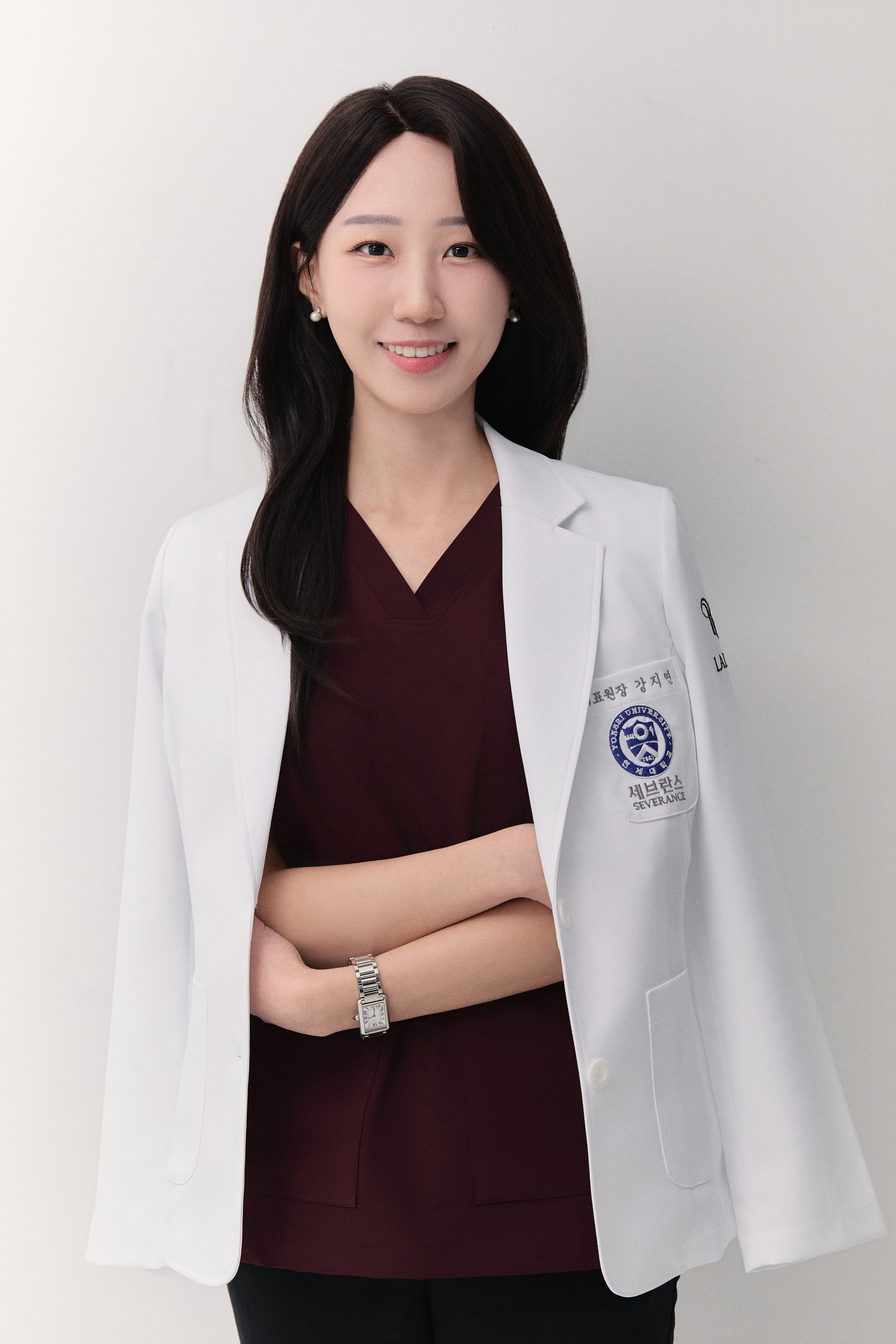
About Dr. Jiyoun Kang: Dr. Jiyoun Kang is the Representative Director of Lalian Cheongdam Clinic and a Specialist in Family Medicine trained at Sinchon Severance Hospital. She serves as Clinical Professor at Yongin Severance Hospital (Yonsei University Health System) and Preliminary Director of the Korea Academy of Obesity & Aesthetic Treatment. All consultations and treatments at Lalian follow a 1:1 Single Responsibility System — Dr. Kang personally manages every stage from anatomical analysis to the final procedure. More about Dr. Kang →
Ready to book a biostimulator consultation at Lalian Cheongdam Clinic?
📍 2F, Dosan-daero 59-gil, 9, Gangnam District, Seoul, South Korea (Cheongdam) 📞 +82-2-517-3335 📸 Instagram: https://www.instagram.com/lalianclinic.global/ 💬 WhatsApp: https://wa.me/message/3B2J74TNH5AKM1 📱 Line (Global): https://line.me/R/ti/p/@066escta 📱 Line (Taiwan): https://lin.ee/xcFKUfp 🎥 YouTube: https://www.youtube.com/channel/UC3nIJ5UPwX94OSPmp5aJ6uQ 🌐 Website: https://www.lalian-clinic.com/
International visitors welcome. English, Chinese, and Japanese consultation supported.
Medical Disclaimer: All procedures described are medical treatments. Individual results may vary based on skin type, age, and baseline collagen condition. A private consultation with our specialist is required to determine the most suitable protocol for your unique needs. All information provided is for educational purposes and does not replace professional medical advice.


Comments