
What Affects the Cost of RF Skin Tightening in Korea
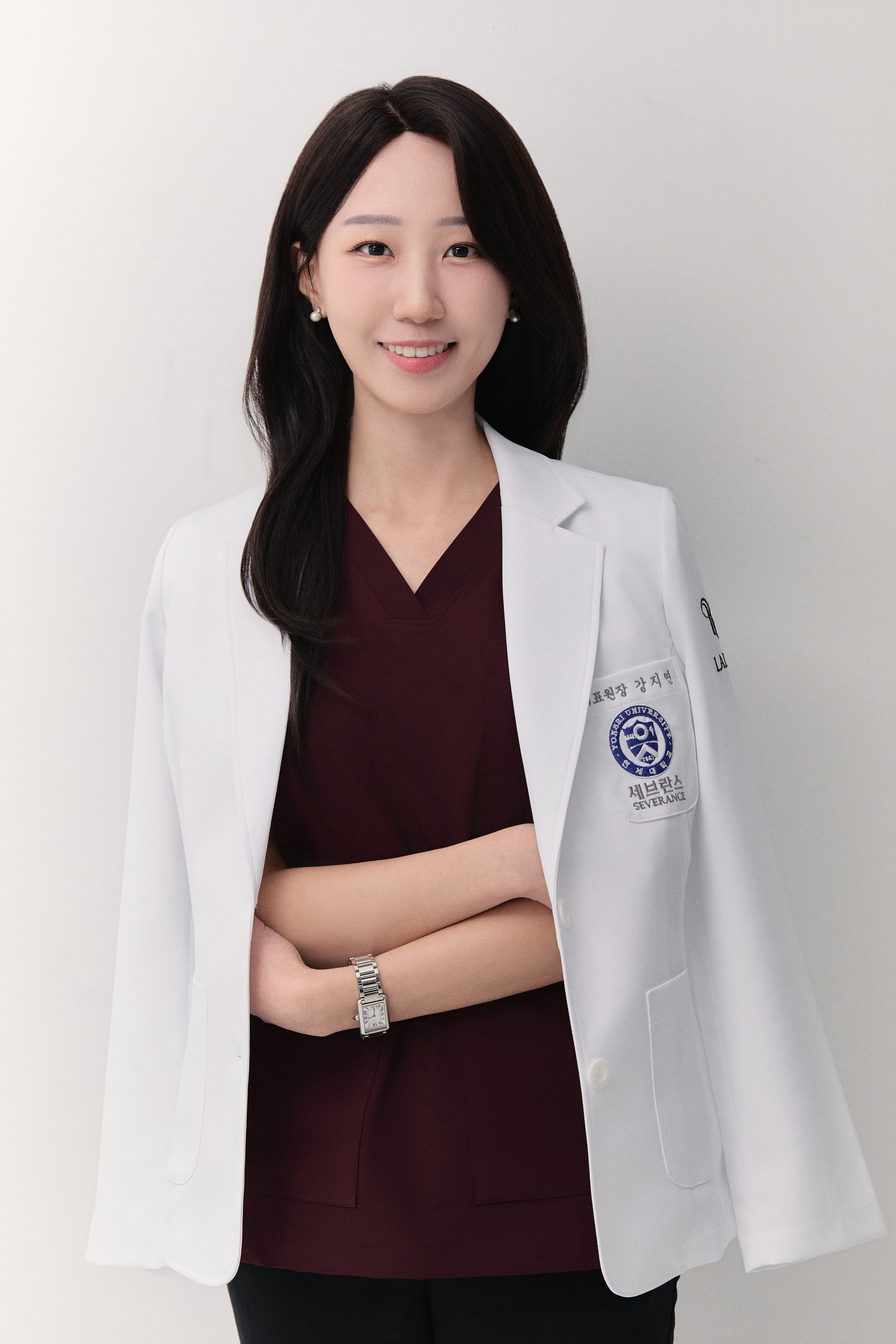

✓ Medically reviewed by Dr. Jiyoun Kang · Last updated: July 13, 2026 · Reading time: 7 min
Anyone comparing RF skin tightening quotes across Seoul clinics quickly notices the same thing: the numbers vary widely, and it is rarely obvious why.
At Lalian Cheongdam Clinic in Cheongdam, Gangnam District, Seoul, South Korea — a short walk from Apgujeong Rodeo Station — patients researching monopolar RF treatments like Thermage FLX and XERF often arrive with a screenshot of a price and a lot of unanswered questions.
This guide breaks down the variables that actually move the price, so you can evaluate a quote rather than just react to it.
Quick Answer: RF skin tightening cost in Korea depends on: 1) device generation and technology tier, 2) treatment area size, 3) total energy delivered, 4) single session vs. a series, 5) who designs and performs the treatment, 6) whether it's combined with other protocols. Individual results — and pricing — vary by case.
1. The RF Device Generation and Technology Tier
Thermage FLX, cleared by the FDA under 510(k) K183059 for non-invasive treatment of dermatologic conditions including periorbital wrinkles, is a long-established platform with real-time cooling and vectored energy delivery. A newer dual-frequency system like XERF is a more recent addition to the monopolar RF category, and clinics investing in current-generation tips and calibration typically price accordingly.
Older or off-brand RF devices — sometimes used at high-volume, lower-cost clinics — are not interchangeable with FDA-cleared platforms, and a lower price often reflects a different device tier rather than a discount on the same technology. A detailed side-by-side of these two systems is available in our XERF vs. Thermage FLX comparison guide.
2. The Size and Number of Treatment Areas
Price scales with the surface area treated, not with the name of the procedure alone.
A full face costs more to treat than the jawline alone, and adding the neck or décolletage increases both the time and energy required. (P) Clinics quoting a single flat "RF skin tightening" price without asking which areas you want are often quoting a minimum package, not your actual plan.
At Lalian, treatment area is mapped during consultation before any figure is discussed, because the honest answer to "how much will this cost" depends entirely on what is being treated.
3. Total Energy Delivered and Session Design
The number of passes and the energy level used per pass materially affects both outcome and cost. (P)
A 2007 multispecialty consensus review of over 5,700 monopolar RF facial tightening treatments found that energy dosing and technique were directly tied to the consistency of results across a large patient population, underscoring why RF is not a one-size-fits-all energy setting. Higher cumulative energy delivered in a well-tolerated protocol generally costs more than a conservative, lower-energy pass — and a physician who under-doses to hit a lower price point may be trading cost for outcome.
Curious what RF energy protocol fits your skin and budget? Speak with Dr. Kang about your treatment plan →
4. Whether the Protocol Is a Single Session or a Series
Monopolar RF results build gradually as collagen remodels, and some patients are quoted for a single session when a series was always the realistic plan.
Early multicenter data on noninvasive RF for periorbital tissue tightening found that a majority of patients showed measurable tightening, with the effect continuing to build over several months after treatment. A clinic quoting an unusually low single-session price may not be accounting for the additional sessions typically needed to reach the result shown in their marketing photos.
Ask directly: is this the total cost to reach the result you are seeing, or the cost of the first visit only?
5. Who Designs and Performs the Treatment
A treatment plan designed and delivered by a physician carries a different cost structure than one delegated to a technician.
At Lalian Cheongdam Clinic, every RF consultation and treatment follows a 1:1 Single Responsibility System, meaning Dr. Jiyoun Kang personally assesses facial anatomy, skin thickness, and treatment goals before any energy is applied — rather than a generic protocol handed off after a brief intake. This level of individualized planning is a meaningful part of what separates a private clinic model from a high-volume, technician-led setting, and it is reflected in the price.
6. Whether RF Is Combined With Other Treatments
Bundling RF with a complementary treatment changes the total investment, sometimes in your favor.
Patients seeking a fuller lifting result sometimes pair Thermage FLX or XERF with Ultherapy Prime or a skin booster in the same visit window, and clinics may offer a combined rate that differs from booking each treatment separately. Whether combining treatments raises or lowers your total cost depends entirely on your goals and skin condition, which is exactly what a private consultation is designed to clarify.
Frequently Asked Questions
How much does RF skin tightening cost in Korea?
Cost depends on the six factors above — device, area, energy protocol, session count, provider, and any combined treatments — so an accurate figure can only be given after a private consultation and skin assessment.
Is XERF more expensive than Thermage FLX?P
ricing between the two varies by clinic and by the areas and energy protocol involved rather than one device being categorically pricier than the other; a direct comparison of how each works is covered in our XERF vs. Thermage FLX guide.
Do I need more than one RF session to see results?
Many patients see initial tightening after a single well-designed session, but collagen remodeling continues over several months, and some skin conditions benefit from a planned series — this is assessed individually.
Does clinic location or reputation affect RF treatment price?
It can, particularly where the price reflects a physician-led, low-volume consultation model versus a high-throughput clinic — but reputation alone is not a substitute for confirming device generation and treatment plan.
Ready to Book?
Dr. Jiyoun Kang is the Representative Director of Lalian Cheongdam Clinic and a Family Medicine specialist trained at Sinchon Severance Hospital, Yonsei University Health System. She serves as Clinical Professor at Yongin Severance Hospital (Yonsei University Health System) and Preliminary Director of the Korea Academy of Obesity & Aesthetic Treatment. All consultations and treatments at Lalian follow a 1:1 Single Responsibility System — Dr. Kang personally manages every stage from anatomical analysis to the final procedure. More about Dr. Kang →
📍 2F, Dosan-daero 59-gil, 9, Gangnam District, Seoul, South Korea (Cheongdam)
📞 +82-2-517-3335
💬 WhatsApp: https://wa.me/message/3B2J74TNH5AKM1
📱 Line (Global): https://line.me/R/ti/p/@066escta
🌐 Website: https://www.lalian-clinic.com/
International visitors welcome. English, Chinese, and Japanese consultation supported.
Medical Disclaimer: All procedures described are medical treatments. Individual results may vary based on skin type and condition. A private consultation with Dr. Jiyoun Kang is required to determine the most suitable protocol — and an accurate cost estimate — for your unique needs. All information provided is for educational purposes and does not replace professional medical advice.


Comments