
Ultherapy Recovery and Downtime in Seoul: A Day-by-Day Guide at Lalian Cheongdam Clinic
Updated: Jun 18

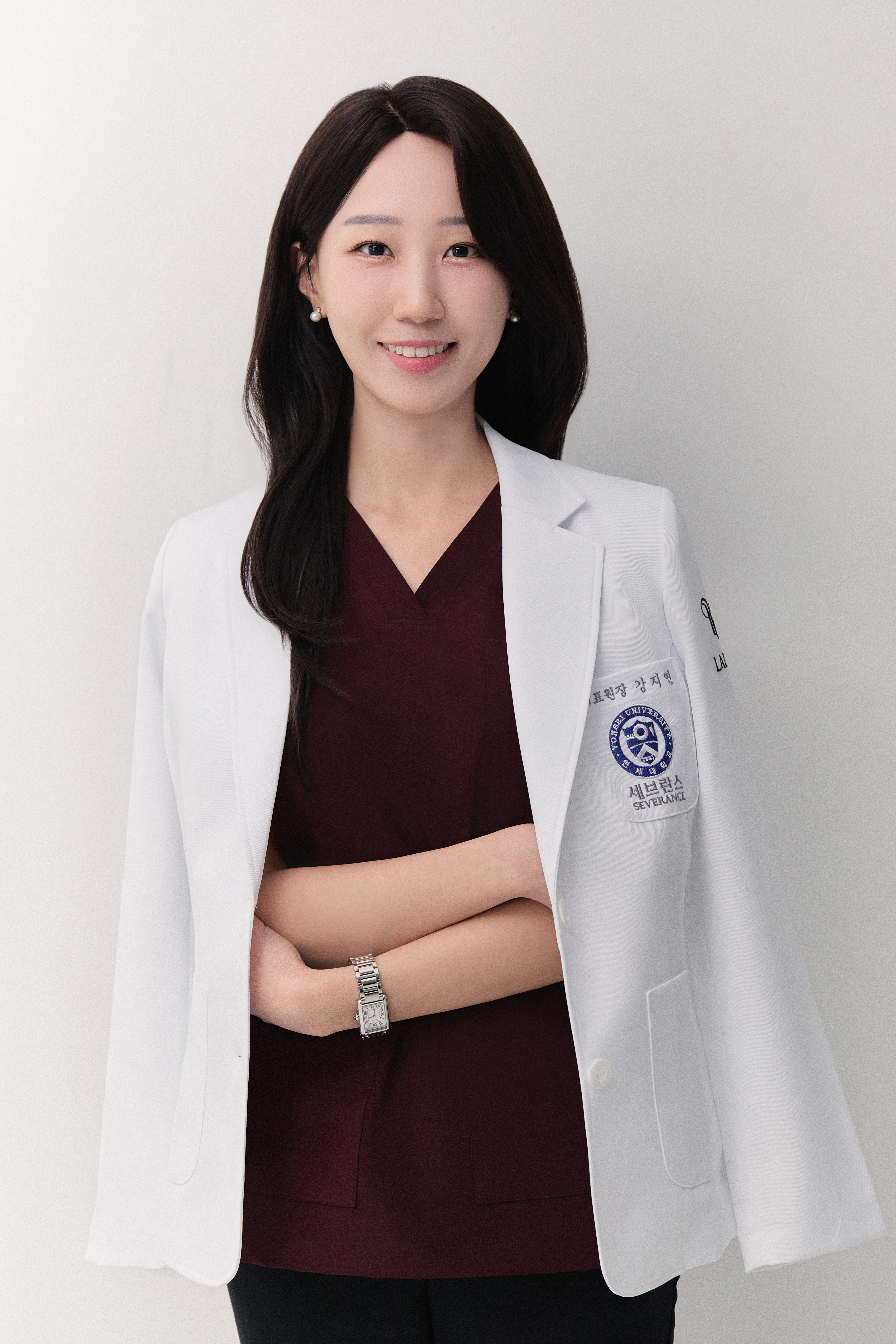
✓ Medically reviewed by Dr. Jiyoun Kang · Last updated: May 5, 2026 · Reading time: 7 min
Ultherapy is one of the most established non-surgical lifting treatments available, and at Lalian Cheongdam Clinic — a private aesthetic dermatology practice in the Cheongdam neighborhood of Seoul's Gangnam District — Dr. Jiyoun Kang performs Ultherapy Prime as part of a 1:1 Single Responsibility System. For international patients flying into Seoul for treatment, the question is rarely whether Ultherapy works. The question is logistical: How long is the redness? When can I sightsee in Cheongdam? Is it safe to fly home in 48 hours?
This guide answers exactly that, day by day, based on what international patients at Lalian actually experience. What you see in the first 24 to 48 hours is not your final result. Ultherapy works beneath the surface of the skin at depths of 1.5 mm, 3.0 mm, and 4.5 mm — reaching the SMAS (superficial musculoaponeurotic system), the foundational layer of facial support. The visible recovery is short; the real lift develops gradually, over 3 to 6 months, as new collagen forms.
Quick Answer: Ultherapy recovery at Lalian Cheongdam Clinic follows a predictable timeline:
Hours 0–24 — mild redness, slight tenderness, possible tightness across the jawline and neck.
Days 1–3 — possible localized swelling along the lower face and brow; cool compresses help.
Days 4–7 — most external recovery resolves; light makeup and gentle skincare safely resume.
Week 2 and beyond — full activity returns, including exercise, sun exposure with SPF, and travel.
Weeks 4–12 — the visible lifting effect builds gradually as new collagen forms. Individual results may vary.
Immediately After Your Treatment (Hours 0–24)
The first 24 hours after Ultherapy are typically the most reactive but also the shortest phase of recovery. The treated areas — usually the lower face, jawline, neck, and sometimes the brow — feel warm and slightly tender. Visible redness usually appears within minutes and fades within 4 to 8 hours, though sensitivity to touch may persist longer.
The face may feel tight, especially along the jawline and under the chin. Some patients describe it as a mild sunburn combined with the snug feeling of a recently tightened band. This sensation is the body's immediate response to focused ultrasound energy reaching the SMAS — a brief inflammatory signal that initiates the longer collagen-forming process.
What's normal during the first 24 hours:
Mild redness across the treated area, fading within 4 to 8 hours.
Slight tenderness when pressing the jawline or upper neck.
A "tightened" or "snug" sensation, especially along the lower face.
Light pinkness around the brow if the brow lift was treated.
What's NOT normal (contact Lalian immediately):
Severe pain unresponsive to a cold compress and gentle hydration.
Asymmetric facial movement, drooping, or numbness lasting more than a few hours.
Visible blistering or open skin on any treatment site.
Bleeding from the treated area.
📞 +82-2-517-3335 · 💬 WhatsApp: https://wa.me/message/3B2J74TNH5AKM1
Days 1–3: The Peak Downtime Phase
Days 1 through 3 are typically when any visible swelling becomes most noticeable, though for the majority of patients it remains mild and confined to the jawline or under-chin area rather than the cheeks. This phase reflects the body's repair response at its most active — fibroblasts begin migrating to the heated zones, and microcirculation increases temporarily as the inflammatory phase progresses.
Histologic evidence from a 2011 Dermatologic Surgery study on focused ultrasound in Asian skin confirmed that focal coagulation at 60 to 70 °C in the deep dermis and SMAS layer triggers a controlled wound-healing cascade. Visible swelling during this phase reflects that biological process working as intended — a short, well-tolerated inflammatory response that precedes new collagen formation.
What's normal during Days 1–3:
Localized swelling along the jawline or upper neck, peaking on Day 2.
Increased "snug" or tight sensation when waking up in the morning.
Mild tenderness when applying skincare or pressing the area.
Slight intermittent ache that resolves with rest and hydration.
What's NOT normal (contact Lalian immediately):
Pronounced asymmetry between the two sides of the face.
Persistent severe headache or jaw pain that worsens over time.
Open skin, weeping, or signs of infection.
New numbness or loss of muscle control beyond mild tightness.
📞 +82-2-517-3335
Wondering whether your symptoms are within the normal range? Speak directly with Dr. Kang via WhatsApp →
Days 4–7: The Settling Phase
By Day 4, most external visible signs of recovery have resolved. Light makeup, including foundation and concealer, can be applied if the skin no longer feels tender. Gentle skincare — hyaluronic acid serums, ceramide-based moisturizers, and broad-spectrum sunscreen — should be reintroduced first, before active ingredients like retinoids or alpha-hydroxy acids.
Many international patients schedule their Ultherapy at Lalian on the first or second day of their Seoul itinerary precisely because of this short visible-recovery window. By Day 5, walking from the clinic on Dosan-daero through Cheongdam, dining in Apgujeong, or browsing K-beauty around the Galleria Department Store is comfortable for most patients.
Recommended scene: Soft close-up of a serene Cheongdam street view through a clinic window — natural daylight, neutral palette, the suggestion of a treatment recovery area in the foreground (no people).
Alternative scenes: Hand close-up applying a hydrating serum to the lower face / clean clinical workspace with skincare products in cream tones.
Alt text: Cheongdam street view from Lalian Clinic during Ultherapy recovery week.
Filename: ultherapy-day-5-recovery-cheongdam-lalian.jpg
Caption (optional): By Day 5 most patients comfortably resume light sightseeing in Cheongdam and Apgujeong.
What's normal during Days 4–7:
Residual mild tenderness when pressing deeply into the jawline.
Slight intermittent "tightness" sensation, especially in the morning.
Skin tone returns to baseline; redness fully resolves.
What's NOT normal (contact Lalian):
Newly appearing swelling or bruising not present in earlier days.
Persistent ache more than 7 days after treatment.
Skin texture changes (flaking, peeling, blistering) that did not occur on Day 1–2.
For a deeper look at how Ultherapy compares to other lifting options, see our Ultherapy vs Thermage FLX comparison guide.
Week 2 and Beyond: Returning to Normal
By the end of Week 2, all visible recovery is complete and full activity safely resumes. Cardiovascular exercise — running, cycling, weight training — can return at Day 7 or earlier if the patient feels well. Saunas, hot yoga, and prolonged steam exposure should be delayed until Day 10 to avoid sustained heat to recently treated zones. Retinoids and exfoliating acids can be reintroduced from Day 10 onward, ideally starting at half their usual frequency for the first week.
Sun exposure does not need to be avoided entirely after Day 7, but daily broad-spectrum SPF 50+ remains essential — partly to protect the new collagen forming in deeper layers, and partly because Korean and East Asian skin (Fitzpatrick III–IV) shows increased post-inflammatory pigmentation risk after any energy-based treatment.
Can I Fly After Ultherapy? Travel Considerations for International Visitors
Yes, you can fly after Ultherapy. Lalian recommends a minimum of 24 hours between treatment and flight, and 48 hours is more comfortable for most international patients. Cabin pressure does not affect treatment outcomes, but mild dehydration on long-haul flights can intensify the "tight" sensation in the first 48 hours. Ultherapy received its FDA 510(k) clearance for non-invasive lifting of the brow, submentum, and neck in 2014, with the original system clearance dating to 2009 — confirming consistent regulatory standards across the United States, Korea, and other international markets.
For patients flying out of Incheon International Airport (ICN), the 50-minute drive from Cheongdam allows time for a final skincare check before departure. Hydrate generously the day before flying, avoid alcohol on the flight, and apply a hydrating mask or balm during the trip if comfortable. Patients on shorter regional flights — Tokyo, Taipei, Hong Kong, Singapore — typically experience no flight-related issues even at 24 hours post-treatment.
When Will I See the Final Results?
The visible lift from Ultherapy builds gradually, not immediately. Most patients notice subtle tightening within 2 to 4 weeks, with the most visible change developing between Months 3 and 6 as new collagen forms. Results typically last 12 to 18 months, though individual results vary based on skin condition, lifestyle, and age.
In a rater-blinded prospective cohort study of facial and neck skin tightening published in the Journal of the American Academy of Dermatology, 86% of subjects showed clinically significant brow lift at 90 days post-treatment, with measurable improvement in skin laxity confirmed by independent reviewers.
Recommended scene: Calm side-profile silhouette study showing the natural curve of a defined jawline, soft window light, no facial features identifiable — purely conceptual.
Alternative scenes: Quiet still-life of a clinical follow-up review setup (notepad, soft lighting, Lalian's neutral palette).
Alt text: Defined jawline silhouette representing Ultherapy collagen lift results in Seoul.
Filename: ultherapy-final-results-jawline-lalian-cheongdam.jpg
Caption (optional): Ultherapy results build gradually between Months 3 and 6 as new collagen forms.
At Lalian, follow-up consultations are scheduled at 6 to 8 weeks post-treatment to assess early collagen response, with a second review at 4 to 6 months for full result documentation. International patients who cannot return in person receive a remote review via WhatsApp or Line, where Dr. Kang personally evaluates submitted photos under standardized lighting guidance.
Frequently Asked Questions
How long does Ultherapy recovery take in total?
Most external recovery resolves within 3 to 5 days for the majority of patients, with mild residual tenderness possible up to 7 days. The deeper collagen-forming process continues quietly over 3 to 6 months, but no visible downtime accompanies that phase.
Can I sightsee in Seoul the same day as my Ultherapy treatment?
Light walking and dining are safe immediately after treatment, but heavy sun exposure, alcohol, and strenuous walking tours are best deferred to Day 2 or later. Most international patients at Lalian schedule lighter cultural sightseeing (museums, indoor shopping in Cheongdam) on treatment day and reserve outdoor activity for Day 3 onward.
When can I fly after Ultherapy?
Lalian recommends a minimum of 24 hours between Ultherapy and flying, with 48 hours preferred for greater comfort. Cabin pressure does not affect treatment outcomes, but cabin dehydration can intensify mild swelling in the first 48 hours.
Can I wear makeup after Ultherapy?
Yes — light makeup, including foundation and concealer, can typically be applied from Day 2 onward, once the skin no longer feels tender. Avoid heavy contouring or pressure-based application on the jawline and neck for the first 5 days.
Is bruising common after Ultherapy?
Bruising is uncommon with Ultherapy alone because no needles are used during the procedure. Mild localized redness is normal; visible bruising should be reported to Lalian for assessment, as it may indicate an unrelated factor.
When can I use retinol or vitamin C after Ultherapy?
Reintroduce active ingredients (retinoids, vitamin C, alpha-hydroxy acids) from Day 7 onward, starting at half their usual frequency for the first week. Daily broad-spectrum SPF 50+ should resume on Day 1 with a gentle, non-fragranced formula.
What should international patients prepare before flying to Seoul for Ultherapy?
Hydrate generously for 48 hours before treatment, avoid alcohol the night before, and bring a comfortable face mask or scarf for the flight home if treatment is followed by same-day travel. Lalian's multilingual coordinators (English, Chinese, Japanese) provide a personalized pre-treatment briefing via WhatsApp or Line ahead of arrival.
About Dr. Jiyoun Kang: Dr. Jiyoun Kang is the Representative Director of Lalian Cheongdam Clinic and a Family Medicine specialist trained at Sinchon Severance Hospital, Yonsei University Health System. She serves as Clinical Professor at Yongin Severance Hospital (Yonsei University Health System) and Preliminary Director of the Korea Academy of Obesity & Aesthetic Treatment. All consultations and treatments at Lalian follow a 1:1 Single Responsibility System — Dr. Kang personally manages every stage from anatomical analysis to the final procedure. More about Dr. Kang →
Ready to book a consultation at Lalian Cheongdam Clinic?
📍 2F, Dosan-daero 59-gil, 9, Gangnam District, Seoul, South Korea (Cheongdam)
📞 +82-2-517-3335
📸 Instagram: https://www.instagram.com/lalianclinic.global/
💬 WhatsApp: https://wa.me/message/3B2J74TNH5AKM1
📱 Line (Global): https://line.me/R/ti/p/@066escta
📱 Line (Taiwan): https://lin.ee/xcFKUfp
🌐 Website: https://www.lalian-clinic.com/
International visitors welcome. English, Chinese, and Japanese consultation supported.
Medical Disclaimer: All procedures described are medical treatments. Individual results may vary based on skin type and condition. A private consultation with Dr. Jiyoun Kang is required to determine the most suitable protocol for your unique needs. All information provided is for educational purposes and does not replace professional medical advice.


Comments