
Autumn and Winter Skin Treatments in Seoul: The Best Months to Plan Your Visit to Lalian Cheongdam Clinic
Updated: Sep 16
✓ Medically reviewed by Dr. Jiyoun Kang · Last updated: September 9, 2026 · Reading time: 8 min

Most international patients decide what treatment they want long before they decide when to fly. In Seoul, the calendar matters more than most visitors expect. At Lalian Cheongdam Clinic — a private aesthetic clinic in Cheongdam, Gangnam District, a short walk from Apgujeong Rodeo Station in South Korea's capital — the months from October through February are consistently the most efficient window to book laser, light, and lifting treatments.
The reason is not seasonal marketing. It is the interaction of three specific factors: ultraviolet exposure, the lead time collagen needs to remodel, and the way a Korean winter behaves on freshly treated skin. This guide explains each one, and how to build a trip around them.
Quick Answer: October through February is the most practical window for laser, light, and lifting treatments in Seoul. Lower ultraviolet exposure reduces the risk of post-treatment pigmentation, and collagen-stimulating treatments booked in autumn reach their peak visible result by spring. Plan three to five days in Seoul. Individual results may vary.
Why Is Autumn and Winter the Best Time for Skin Treatments in Seoul?
Autumn and winter suit energy-based treatment because ultraviolet exposure is at its annual low in Seoul, and ultraviolet exposure is the single most modifiable risk factor for post-inflammatory hyperpigmentation. After light- and laser-based procedures, treated skin passes through a window in which melanocytes respond more readily to sun exposure. Booking that window into November rather than July removes a variable that is otherwise difficult to control while travelling.
This matters most for patients with Fitzpatrick III–VI skin, where pigmentation after energy-based treatment is a well-documented concern. A systematic review of interventions to prevent hyperpigmentation after laser and energy-based device treatments found that photoprotection and topical prevention strategies materially change outcomes. Season is simply the easiest form of photoprotection to arrange in advance.
The second factor is lead time. Collagen-stimulating treatments do not deliver their result on the day of the appointment — they deliver it over the following two to six months. A treatment performed in October is at its most visible in spring; a treatment performed in April is still building through the strongest sun of the year.
The third factor is climate. Korean winters are cold and dry, and indoor heating compounds that dryness. Skin barrier support becomes part of the protocol rather than an afterthought, which is why hydration-focused boosters are so often paired with energy treatments in the colder months.
How Should You Plan a Seoul Skin Trip Between October and February?
Planning a Seoul skin trip means working backwards from your departure date, not forwards from your arrival. Most patients underestimate how much of the value sits in the consultation, and how little of it sits in the number of procedures they can fit into one week. Three to five days in Seoul is the realistic minimum for a consultation, a treatment day, and a margin for redness to settle before flying.
If you are considering more than one treatment, sequence matters as much as timing — our guide to stacking multiple skin treatments in one Seoul trip covers how to order them without wasting a day.
Logistics Factor | Detail |
Minimum days in Seoul | 3–5 days |
Best time to book | Consultation on Day 1, treatment Day 1 or 2 |
Recovery window before flight | 24–72 hours depending on treatment |
Same-day flight possible? | Not recommended |
Post-treatment restrictions | Sauna, jjimjilbang, hot yoga, alcohol, direct sun, active exfoliants |
Touch-up needed? | Depends on protocol — discussed at consultation |
One practical note on the Korean calendar: clinics in Gangnam book out around major public holidays such as Chuseok and Lunar New Year, and the weeks before them are the busiest of the season. Reserving four to six weeks ahead is sensible for a winter visit.
Which Treatments Make the Most Sense in the Colder Months?
The colder months favour two categories in particular: light- and laser-based treatments that carry a pigmentation consideration, and collagen-stimulating treatments that need months to mature.
For tone, pigmentation, and texture, BBL HERO and Potenza RF Microneedling are the treatments most directly affected by season, because both work in or through the epidermis and both benefit from a low-ultraviolet recovery period. Both sit under laser and energy treatments in Seoul at Lalian. If pigmentation is your primary concern and your skin tone is deeper, our guide to PIH-safe lifting for deeper skin tones is worth reading before you book.
For laxity and contour, Ultherapy Prime, Thermage FLX, XERF, and ONDA are less sensitive to ultraviolet exposure but more sensitive to lead time. A histologic study of focused ultrasound tightening in Asian skin documented collagen remodeling at 60 days after a single session, and a multicenter study of monopolar radiofrequency tissue tightening reported that the effect continues to build over four to six months. Booking in autumn places that curve where you want it. All four devices sit under non-surgical face lifting and skin tightening in Seoul.
For barrier support through a dry winter, skin boosters such as Rejuran Healer, Belotero Revive, exosome therapy, and Filorga NCTF are commonly added alongside energy treatments rather than instead of them. Which combination suits you is a consultation decision, not a menu decision. Individual results may vary.
Not sure which of these belongs in your winter plan? Book a private consultation with Dr. Jiyoun Kang →
What Happens at Your Lalian Cheongdam Appointment?
An appointment at Lalian begins with a 1:1 consultation with Dr. Jiyoun Kang rather than with a counsellor or a sales desk. Lalian operates a 1:1 Single Responsibility System, meaning the physician who performs your anatomical analysis is the physician who performs the procedure. For international patients this removes the most common failure point in medical travel — a plan agreed in consultation that is executed by someone who was not in the room.
Consultations are supported in English, Chinese, and Japanese through multilingual coordinators, and treatments take place in private rooms rather than shared bays. Allow roughly 30 to 45 minutes for consultation and anywhere from 30 minutes to two hours for treatment, depending on the protocol.
How Do You Care for Your Skin After Treatment in a Korean Winter?
Winter aftercare in Seoul is governed by two things visitors rarely plan for: heated indoor air and the temptation of a jjimjilbang. The first 72 hours carry the strictest rules; the weeks that follow are about consistency rather than restriction.
Avoid during the first 72 hours:
Skip saunas, jjimjilbang, hot springs, and hot yoga — heat prolongs redness and swelling.
Avoid alcohol, which increases flushing and can extend visible redness.
Do not apply retinoids, AHAs, BHAs, or any physical exfoliant to treated areas.
Do not use hot water on the face; lukewarm only, and pat rather than rub.
Safe to do during recovery:
Apply a bland, fragrance-free moisturiser as often as the skin feels tight.
Use broad-spectrum SPF 50+ daily, including on overcast winter days and indoors near windows.
Walk, sightsee, and eat normally — there is no reason to stay in your hotel.
Run a humidifier in your room to offset heated indoor air.
If your treatment was Ultherapy Prime specifically, our day-by-day Ultherapy recovery and downtime guide sets out what is normal at each stage.
How Do You Book from Abroad?
Booking from abroad is a message, not a form. Lalian's international patients most often reach the clinic through WhatsApp, with Instagram DM and LINE as alternatives. Send these five things in your first message and the clinic can usually respond with a workable plan rather than a request for more information:
Clear photos — front and both profiles, natural light, no filter or makeup.
Your main concern in one sentence (laxity, pigmentation, texture, volume).
Treatments you are considering, if you already have a shortlist.
Your travel dates, including your departure flight time.
Your preferred consultation language — English, Chinese, or Japanese.
Frequently Asked Questions
Is winter the best time to get laser treatment?
For light- and laser-based treatments, the colder months are generally the more practical choice, because lower ultraviolet exposure reduces the risk of post-treatment pigmentation. The season is not a substitute for daily sun protection, which remains necessary year-round. Suitability is always assessed individually at consultation.
How long should you avoid the sun after laser treatment?
Strict avoidance of direct sun is advised for at least two weeks after light- and laser-based treatments, with daily broad-spectrum SPF 50+ continuing well beyond that. Winter travel makes the first two weeks considerably easier to manage. Your exact guidance depends on the treatment performed.
How many days do I need in Seoul for skin treatment?
Three to five days covers a consultation, a treatment day, and a recovery margin before flying. Patients combining several treatments should allow closer to five to seven days. Same-day treatment and departure is not recommended.
Can I fly home the day after treatment?
For most non-ablative energy treatments, flying 24 to 72 hours later is reasonable, though mild redness or swelling may still be visible. Cabin air is dry, so a heavy moisturiser and adequate water intake help. Confirm your specific timeline with Dr. Jiyoun Kang at consultation.
Will results be ready in time for an event in spring?
Collagen-stimulating treatments build over roughly two to six months, so an autumn or early-winter appointment generally suits a spring event. Working backwards from the date is the most reliable way to plan. Individual results may vary.
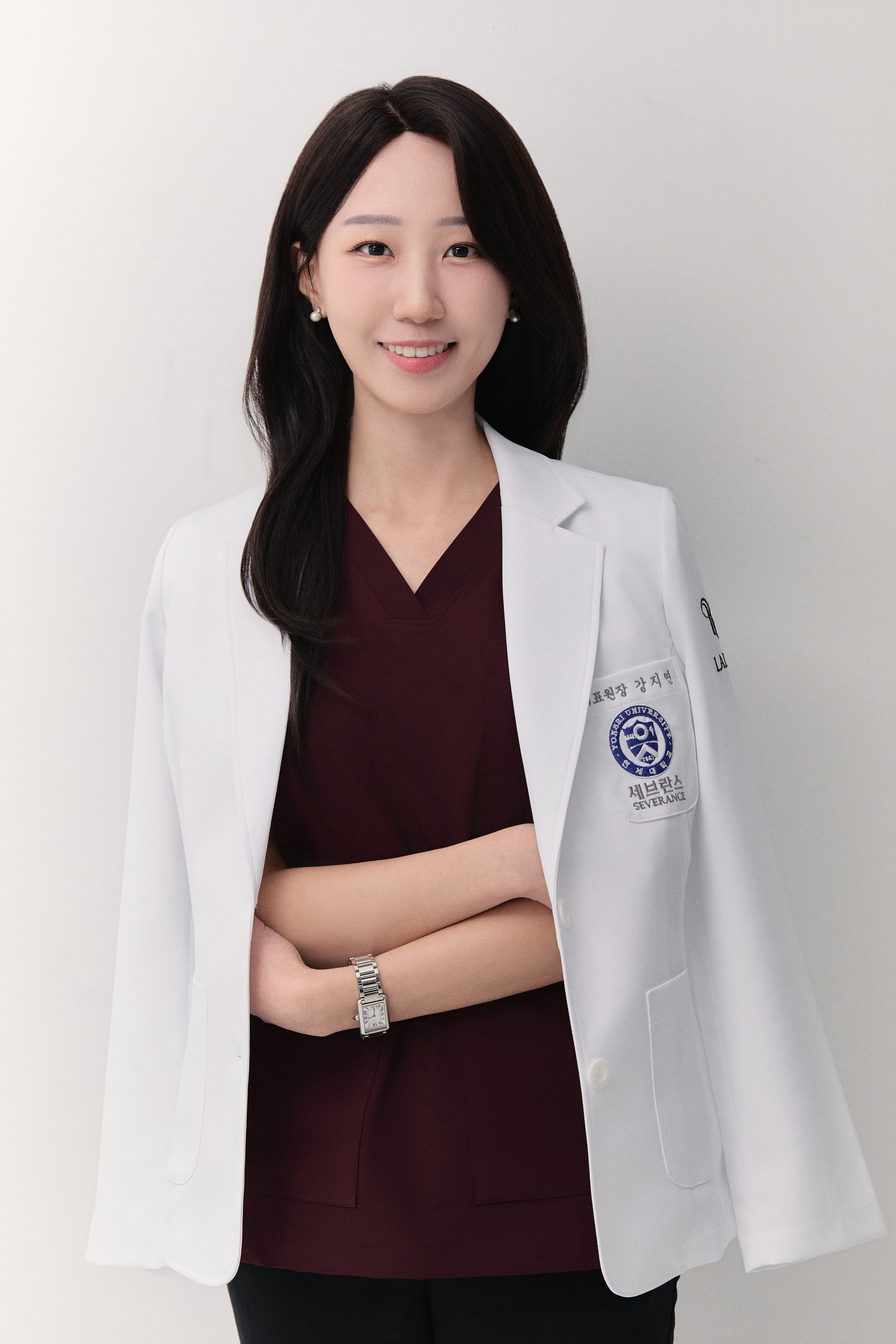
About Dr. Jiyoun Kang: Dr. Jiyoun Kang is the Representative Director of Lalian Cheongdam Clinic and a Family Medicine specialist trained at Sinchon Severance Hospital, Yonsei University Health System. She serves as Clinical Professor at Yongin Severance Hospital (Yonsei University Health System) and Preliminary Director of the Korea Academy of Obesity & Aesthetic Treatment. All consultations and treatments at Lalian follow a 1:1 Single Responsibility System — Dr. Kang personally manages every stage from anatomical analysis to the final procedure. More about Dr. Kang →
Ready to Plan Your Winter Visit?
Send your photos and travel dates and Lalian's team will come back with a schedule that fits your trip.
📍 2F, Dosan-daero 59-gil, 9, Gangnam District, Seoul, South Korea (Cheongdam)
📞 +82-2-517-3335
📸 Instagram: https://www.instagram.com/lalianclinic.global/💬 WhatsApp: https://wa.me/message/3B2J74TNH5AKM1
📱 Line (Global): https://line.me/R/ti/p/@066escta
📱 Line (Taiwan): https://lin.ee/xcFKUfp
🌐 Website: https://www.lalian-clinic.com/
International visitors welcome. English, Chinese, and Japanese consultation supported.
Medical Disclaimer: All procedures described are medical treatments. Individual results may vary based on skin type and condition. A private consultation with Dr. Jiyoun Kang is required to determine the most suitable protocol for your unique needs. All information provided is for educational purposes and does not replace professional medical advice.


Comments