
Worried About Dark Spots After Skin Tightening? A Guide to PIH-Safe Lifting and Energy Treatments for Deeper Skin Tones in Seoul
Updated: Sep 16

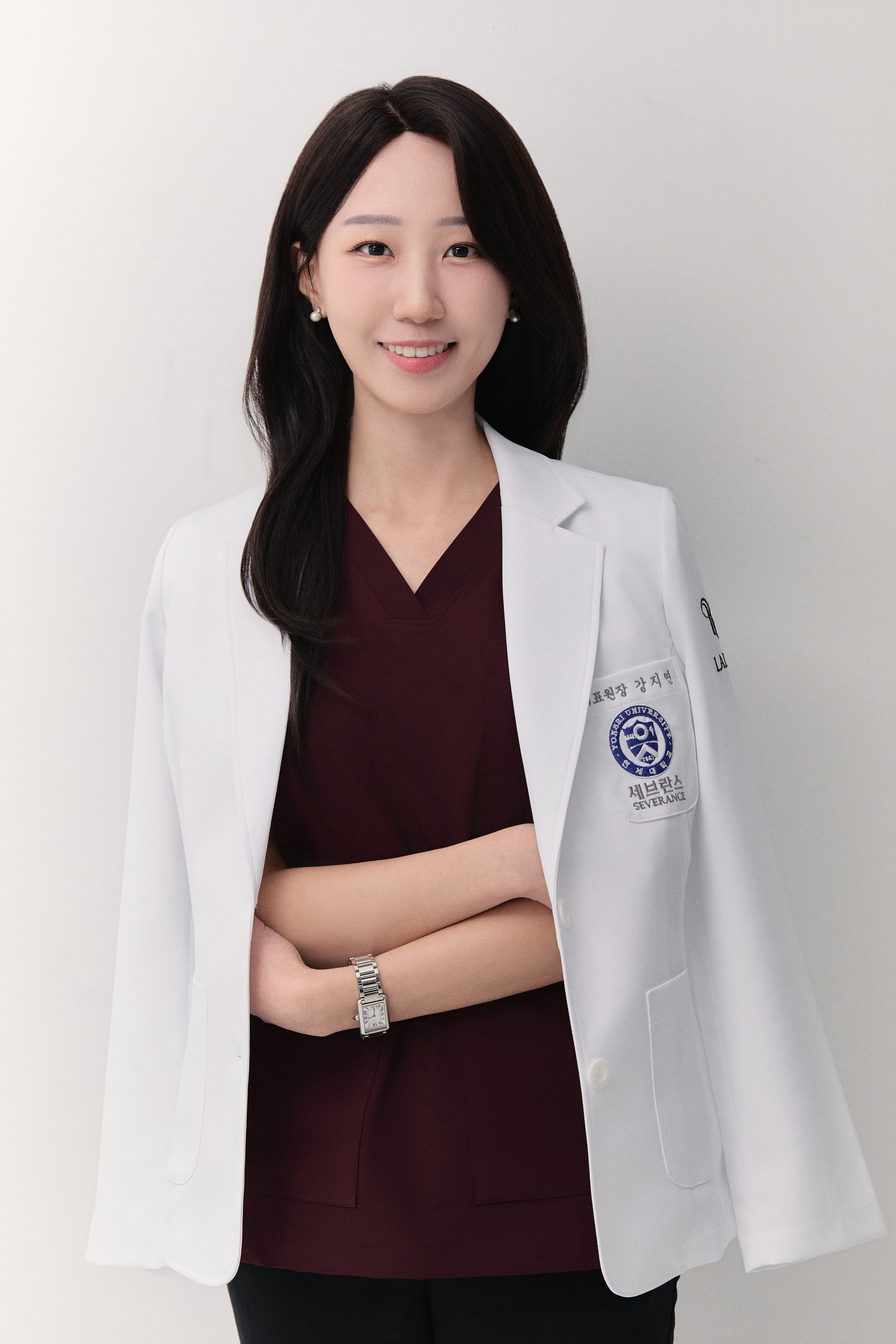
✓ Medically reviewed by Dr. Jiyoun Kang · Last updated: July 01, 2026 · Reading time: 8 min
If you have a deeper or melanin-rich skin tone, you may have hesitated before booking a lifting or laser treatment abroad — worried that the result will not be a firmer jawline, but a patch of stubborn dark pigmentation where the device touched your skin. At Lalian Cheongdam Clinic, a private aesthetic dermatology practice in the Cheongdam neighborhood of Seoul's Gangnam District, South Korea, near Apgujeong Rodeo Station, this is one of the most important questions international patients raise — and it deserves an honest, device-by-device answer rather than reassurance. The concern is real, but it is also manageable when the right energy is matched to your skin.
Quick Answer — The problem: Deeper skin tones (Fitzpatrick III to VI) carry a higher risk of post-inflammatory hyperpigmentation (PIH) — dark marks that appear after heat, light, or injury to the skin — and light-based devices that target melanin are the most likely to trigger it. The solution: Melanin-independent energy such as microfocused ultrasound and monopolar radiofrequency is generally the safer route for lifting and tightening, while light-based treatments are used conservatively, test-spotted first, or deferred — with device selection matched to your skin tone during a 1:1 consultation.
Why Deeper Skin Tones Carry a Higher Pigmentation Risk
Post-inflammatory hyperpigmentation happens when the skin, after heat or injury, produces excess melanin as part of its healing response. The more active your melanocytes are — which correlates with a higher Fitzpatrick skin type, not with any particular ethnicity — the more readily this protective pigment response can be triggered. This is why the question is best framed around skin tone rather than nationality: a light-skinned and a deep-skinned visitor from the same country can have very different risk profiles. The distinction that matters most clinically is whether a device targets melanin directly or bypasses it entirely.
Which Energy Treatments Are Safer for Melanin-Rich Skin — and Why
Not all energy devices interact with pigment the same way, and that single fact drives most of the safety difference.
Microfocused ultrasound (Ultherapy Prime) delivers ultrasound energy to fixed depths in the deeper dermis and SMAS layer, bypassing the surface where melanin sits. Because melanin is not the target, the pigmentary risk is low even in darker skin — a peer-reviewed study found microfocused ultrasound with visualization to be safe and effective in Fitzpatrick III to VI patients with no incidence of pigmentary adverse events. This makes it one of the more predictable lifting options for melanin-rich skin.
Monopolar radiofrequency (Thermage FLX) heats the dermis through tissue resistance rather than light absorption, so it does not selectively target melanin either. This chromophore-independent mechanism is the reason radiofrequency is generally considered suitable across a wide range of skin tones for tightening.
Radiofrequency microneedling (Potenza) also uses radiofrequency rather than light, which keeps its interaction with pigment relatively low. The microneedling component does create controlled micro-injury, however, so conservative settings and careful aftercare matter more here than with non-needling devices.
Broadband light (BBL HERO) is the category where caution is greatest. Light-based and IPL devices treat tone and pigmentation by targeting melanin as a chromophore — which is precisely what makes them effective for sun spots, but also what raises the risk of burns or PIH in deeper skin if energy settings are not carefully restrained. In melanin-rich skin, this is the treatment most likely to be test-spotted, dialed down, or postponed.
What Results Can You Realistically Expect?
Realistic expectations depend on your skin tone and your personal tendency to pigment.
Mild case: Fitzpatrick III skin with no strong history of dark marks. Most energy options are open to you, including ultrasound and radiofrequency lifting, with light-based treatment possible under standard conservative settings. A single lifting session with appropriate aftercare typically carries low pigmentation risk.
Moderate case: Fitzpatrick IV to V skin, or a history of marks that linger after spots or irritation. Here the plan usually prioritizes melanin-independent energy (ultrasound, monopolar radiofrequency) for lifting, while any light-based treatment is preceded by a test spot and delivered at conservative settings. Pre-treatment skin preparation and strict sun protection meaningfully lower the risk.
Severe case: Fitzpatrick V to VI skin with an active tendency to pigment, ongoing melasma, or recent sun exposure. An energy-only approach — ultrasound or monopolar radiofrequency — is generally favored, and aggressive light or laser work is individualized, staged, or deferred. Results are very achievable, but the protocol is deliberately slower and more cautious to protect against pigmentation.
The Lalian Approach: Matching the Device to Your Skin Tone
At Lalian Cheongdam Clinic, treatment selection for deeper skin tones begins with assessment, not with a fixed menu. Dr. Jiyoun Kang, a Family Medicine specialist trained at Sinchon Severance Hospital (Yonsei University Health System), reviews your Fitzpatrick type, your pigmentation history, and your current skin condition before recommending an energy source. Under the clinic's 1:1 Single Responsibility System, the physician who assesses your skin is the one who performs the treatment, which keeps the conservative settings and test-spot decisions in a single set of hands. Where light-based treatment is appropriate, a test area and a sun-protection plan are part of the protocol rather than an afterthought.
When Energy or Laser Treatment Is Best Postponed
Sometimes the most protective recommendation is to wait. If your skin is actively tanned, currently inflamed, or showing active melasma, proceeding with light-based or aggressive energy treatment can worsen pigmentation rather than improve it. In these situations, a period of topical preparation, pigment management, and disciplined sun protection before any device work is often the difference between a clean result and a months-long pigmentation problem. Honesty here matters more than speed — a treatment delayed for the right reason is part of good care, not a setback.
Frequently Asked Questions
Will Ultherapy cause dark spots on darker skin? It is unlikely. Microfocused ultrasound bypasses the surface layer where melanin sits and does not target pigment, and peer-reviewed research in Fitzpatrick III to VI skin reported no pigmentary adverse events.
Is laser or light treatment safe for deep or brown skin in Korea? It can be, but only with conservative settings, a test spot, and an experienced operator. Light-based devices target melanin, so they carry the highest pigmentation risk in deeper skin and are approached with the most caution.
How many sessions will I need? It depends on the treatment and your goals — lifting devices are often a single session with results building over months, while pigment-sensitive plans may be staged across visits. A consultation gives a realistic count for your skin.
Can I have BBL HERO if I have melasma or a deeper skin tone? Not automatically. Active melasma and higher Fitzpatrick types call for caution, a test spot, and sometimes a deferral in favor of gentler options, decided case by case.
Do I need to avoid sun before treatment? Yes. Recent sun exposure raises pigmentation risk, so disciplined sun protection before and after treatment is one of the most effective ways to lower the chance of dark marks.
Ready to Book?
If you have a deeper skin tone and have been unsure whether lifting or energy treatment is safe for you, the most useful first step is a consultation that matches the device to your skin rather than the other way around. Individual results vary with skin type, pigmentation history, and aftercare, so a careful assessment is the safest path to a firmer result without new dark marks.
About Dr. Jiyoun Kang: Dr. Jiyoun Kang is the Representative Director of Lalian Cheongdam Clinic and a Family Medicine specialist trained at Sinchon Severance Hospital, Yonsei University Health System. She serves as Clinical Professor at Yongin Severance Hospital and Preliminary Director of the Korea Academy of Obesity and Aesthetic Treatment. All consultations and treatments at Lalian follow a 1:1 Single Responsibility System, where Dr. Kang personally manages every stage from skin analysis to the final procedure. More about Dr. Kang →
📍 2F, Dosan-daero 59-gil, 9, Gangnam District, Seoul, South Korea (Cheongdam)
📞 +82-2-517-3335
📸 Instagram: https://www.instagram.com/lalianclinic.global/
💬 WhatsApp: https://wa.me/message/3B2J74TNH5AKM1
📱 Line (Global): https://line.me/R/ti/p/@066escta
📱 Line (Taiwan): https://lin.ee/xcFKUfp
🌐 Website: https://www.lalian-clinic.com/
International visitors welcome. English, Chinese, and Japanese consultation supported.
Medical Disclaimer: All procedures described are medical treatments. Individual results may vary based on skin type and condition. A private consultation with Dr. Jiyoun Kang is required to determine the most suitable protocol for your unique needs. All information provided is for educational purposes and does not replace professional medical advice.


Comments