
Ultherapy in Korea: A Complete Guide for International Patients
Updated: Sep 16
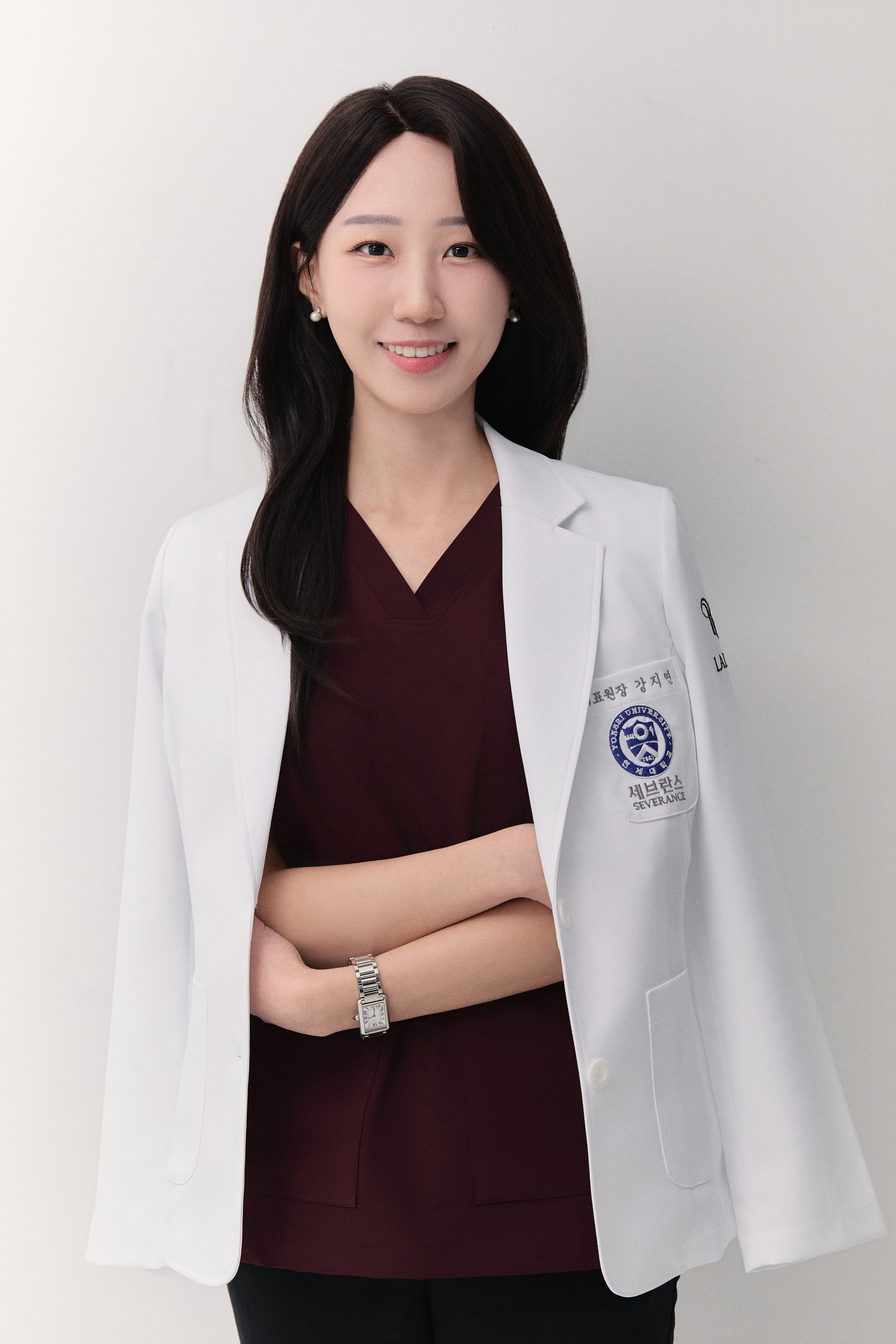
✓ Medically reviewed by Dr. Jiyoun Kang · Last updated: September 11, 2026 · Reading time: 8 min

Ultherapy is one of the most searched non-surgical lifting treatments among international visitors travelling to South Korea, and most of that search happens before anyone has explained what the treatment actually involves. At Lalian Cheongdam Clinic in Cheongdam, Gangnam District, Seoul — two minutes from Apgujeong Rodeo Station — the questions that arrive by WhatsApp are consistently the same four. How many shots do I need, why do quoted prices differ so widely, how do I know the device is genuine, and will it make my face look thinner.
This guide answers those questions in order, in the language a first-time visitor actually needs rather than the language of a treatment menu. Where a question deserves its own detailed answer, you will find a link to a dedicated article.
Quick Answer: Ultherapy is a non-surgical lifting treatment that delivers microfocused ultrasound to the SMAS layer beneath the skin, prompting gradual collagen remodeling. It suits mild to moderate laxity rather than significant sagging. Results build over three to six months and typically last twelve to eighteen months. Individual results may vary.
What Is Ultherapy, and How Does It Work?
Ultherapy is a microfocused ultrasound treatment that heats tissue at fixed depths beneath the skin surface without cutting or removing anything.
The energy is delivered in short pulses that create small zones of focal coagulation at 1.5 mm, 3.0 mm, and 4.5 mm. The deepest of these reaches the superficial musculoaponeurotic system — the SMAS — which is the same fibrous layer a surgeon repositions during a facelift. Heating it does not reposition it, but it does trigger a wound-healing response that tightens and remodels collagen over the following months. Histological work on Asian skin has documented focal coagulation at 60 to 70 degrees in the deep dermis and SMAS layer, with collagen remodeling visible sixty days after a single session.
What separates Ultherapy from most other lifting devices is visualization. The operator sees a live ultrasound image of the tissue layers before delivering energy, which means depth selection is a decision made on your anatomy rather than a preset.
The device holds US FDA clearance for non-invasive lifting of the brow, submentum, and neck. Those three areas are the cleared indications — a useful reference point when a clinic quotes you for something broader.
Ultherapy vs Ultherapy Prime: What Actually Changed?
Ultherapy Prime is the current-generation version of the same platform, not a different treatment.
The core mechanism is unchanged: microfocused ultrasound, same depths, same SMAS target. What changed is the imaging resolution, the transducer set, and the speed at which energy is delivered — which in practice means a shorter session and a clearer view of the tissue before each line is placed.
This matters when you are comparing quotes. A clinic running the earlier platform and a clinic running Prime may both advertise "Ultherapy," and the shot counts will read identically on paper. Asking which generation of the device is in the room is a reasonable question, and a clinic that treats it as a reasonable question is telling you something useful. Lalian performs the treatment using Ultherapy Prime at our Cheongdam clinic.
Not sure whether Ultherapy is the right starting point for your face? Book a private consultation with Dr. Jiyoun Kang →
Who Is a Good Candidate — and Who Should Wait?
Ultherapy suits people with early to moderate laxity who want definition without downtime, and it is a poor substitute for surgery when laxity is advanced.
Good candidates for Ultherapy:
You are in your early thirties to mid fifties with softening along the jawline, cheeks, or under the chin.
Your skin still has reasonable elasticity and you are looking to slow change rather than reverse it.
You want a treatment with no visible recovery period because you are travelling or working through the week.
You have a deeper skin tone. Microfocused ultrasound does not target melanin, and a 2023 study found it safe and effective in Fitzpatrick skin types III to VI with no incidence of pigmentary adverse events.
Not ideal for:
Significant, heavy sagging with excess skin — energy-based lifting will underdeliver here, and an honest consultation will say so.
Very low facial fat volume, recent rapid weight loss, or existing hollowing under the cheeks, where the priority is usually volume rather than lift. This is covered in detail in our article on whether Ultherapy causes facial fat loss.
Active inflammatory skin conditions or open lesions in the treatment area, which should settle first.
How Many Shots Do You Need, and What Drives the Price Difference?
Shots are the unit Ultherapy is measured and quoted in, and they are the single largest reason two quotes for "the same treatment" can differ dramatically.
A shot is one line of ultrasound energy. A lower-face and jawline treatment sits in a different range than a full face with neck, and the number is decided by how much surface area is being covered and at which depths. A quote of a few hundred shots and a quote of several hundred more are not the same product, even when the treatment name on the receipt is identical.
Beyond shot count, four other variables move the number: which generation of the device is used, whether the transducer cartridge is new, whether the physician or a delegated staff member holds the handpiece, and whether follow-up care is included. None of these appear on a price list.
We have written a separate guide on how many Ultherapy shots you need by treatment area, because the question deserves more room than a paragraph.
What Does the Procedure Feel Like?
Ultherapy produces a brief deep prickling or heat sensation at the moment each line is delivered, strongest at the 4.5 mm depth over bone.
Topical numbing is applied beforehand, and energy settings can be adjusted during the session — if a particular area is difficult, say so rather than enduring it. A full lower face and jawline session generally runs forty-five to ninety minutes depending on the treatment plan.
Some clinics offer sedation for this treatment. It is worth understanding the trade-off: under sedation you cannot give feedback on comfort, and you cannot observe the session. At Lalian we prefer you awake and able to speak.
What Results Can You Expect — and When?
Ultherapy results appear gradually rather than immediately, because what you are waiting for is new collagen rather than swelling.
Most people notice a mild tightening within two to four weeks. The visible change builds across three to six months as collagen remodels, and typically holds for twelve to eighteen months before maintenance is considered. A rater-blinded prospective study found that at ninety days, 86 percent of subjects showed a clinically significant brow lift on blinded photographic review.
One point worth setting expectations on now: around five to six weeks post-treatment, many people feel the early tightening has faded. This is normal and reflects the initial tissue response settling before collagen synthesis takes over. Individual results may vary.
Factor | Detail |
Mechanism | Microfocused ultrasound with visualization (MFU-V) |
Depth of action | 1.5 mm, 3.0 mm, 4.5 mm (SMAS) |
Session duration | 45–90 minutes depending on area |
Results appear | Gradually over 3–6 months |
Longevity | Typically 12–18 months |
Ideal skin type | Mild to moderate laxity; safe across Fitzpatrick I–VI |
How Do You Confirm You're Getting Genuine Ultherapy in Korea?
Device authenticity is a legitimate question to raise in a consultation, and the checks available to you are simple and physical.
You can ask which generation of the device is in the room. You can ask to see the transducer cartridge before it is loaded, and you can ask the clinic to open it in front of you. The system displays a remaining-lines counter on screen, so you can confirm during the session that the number of shots you were quoted is the number being delivered.
None of these requests is unusual, and none of them should make a clinic uncomfortable. Our full walkthrough of how to confirm authentic Ultherapy in Korea covers each check step by step.
How Should You Plan Ultherapy Into a Korea Trip?
Ultherapy fits a short Seoul itinerary more easily than almost any other lifting treatment, because there is no visible recovery to schedule around.
Mild redness typically settles within a few hours, and makeup can usually go on the same day. Tenderness to the touch can persist for several days but is not visible. Because the result is gradual, there is no advantage to booking it at the start of a trip rather than the end.
Our day-by-day Ultherapy recovery guide covers flight timing and aftercare in detail, including what to do once you are back home.
The Lalian Approach
Every Ultherapy treatment at Lalian Cheongdam Clinic follows a 1:1 Single Responsibility System, meaning Dr. Jiyoun Kang personally handles the anatomical assessment, the treatment design, and the procedure itself.
That structure exists because the variable that most affects an Ultherapy outcome is not the device — it is where the lines are placed and at what depth. Shot distribution across the jawline, mid-face, and submental area is a clinical judgment made on your facial structure and fat distribution, not a package selected from a menu.
Consultations are conducted directly with Dr. Kang, with multilingual coordinators available in English, Chinese, and Japanese. If your assessment suggests Ultherapy is not the right treatment for what you want to change, you will be told that in the consultation.
Frequently Asked Questions
Is Ultherapy worth it at 30?
It can be, but for a different reason than at 45. In your early thirties the goal is usually maintaining definition along the jawline rather than correcting existing sagging, and a lower shot count over a wider interval is often more appropriate than a full protocol. The honest answer depends on whether there is measurable laxity to treat yet.
How many Ultherapy shots do I need?
It depends on the areas being treated and the depths required, not on a fixed package. Lower face and jawline sits in a different range than full face with neck. The number should be quoted to you before treatment and confirmed on the device counter during it.
Does Ultherapy hurt?
You will feel brief deep heat or prickling with each line, strongest over bony areas. Topical numbing is applied first and energy can be adjusted during the session. Most people describe it as tolerable rather than comfortable.
How long does Ultherapy last?
Typically twelve to eighteen months, after which maintenance is considered. Longevity depends on your baseline collagen, age, and how quickly your skin changes. Individual results may vary.
Can Ultherapy cause fat loss in the face?
Facial volume change is the concern most often raised by people with low body fat or recent weight loss. It is managed through candidate selection and depth control, and it is a reason a clinic may recommend against treatment or adjust the plan. This should be discussed explicitly in your consultation.
Is Ultherapy the same as a facelift?
No. A facelift repositions tissue surgically; Ultherapy stimulates collagen remodeling in tissue that stays where it is. If your laxity is advanced, Ultherapy will underdeliver, and a consultation should tell you so rather than sell you a series.
Ready to Book?
If you are planning a Seoul visit and want to know whether Ultherapy suits your face before you commit to a date, a consultation is the fastest way to find out. (P)
About Dr. Jiyoun Kang: Dr. Jiyoun Kang is the Representative Director of Lalian Cheongdam Clinic and a Family Medicine specialist trained at Sinchon Severance Hospital, Yonsei University Health System. She serves as Clinical Professor at Yongin Severance Hospital (Yonsei University Health System) and Preliminary Director of the Korea Academy of Obesity & Aesthetic Treatment. All consultations and treatments at Lalian follow a 1:1 Single Responsibility System — Dr. Kang personally manages every stage from anatomical analysis to the final procedure. More about Dr. Kang →
📍 2F, Dosan-daero 59-gil, 9, Gangnam District, Seoul, South Korea (Cheongdam)
📞 +82-2-517-3335
📸 Instagram: https://www.instagram.com/lalianclinic.global/
📱 Line (Global): https://line.me/R/ti/p/@066escta
📱 Line (Taiwan): https://lin.ee/xcFKUfp
🌐 Website: https://www.lalian-clinic.com/
International visitors welcome. English, Chinese, and Japanese consultation supported.
Medical Disclaimer: All procedures described are medical treatments. Individual results may vary based on skin type and condition. A private consultation with Dr. Jiyoun Kang is required to determine the most suitable protocol for your unique needs. All information provided is for educational purposes and does not replace professional medical advice.


Comments